
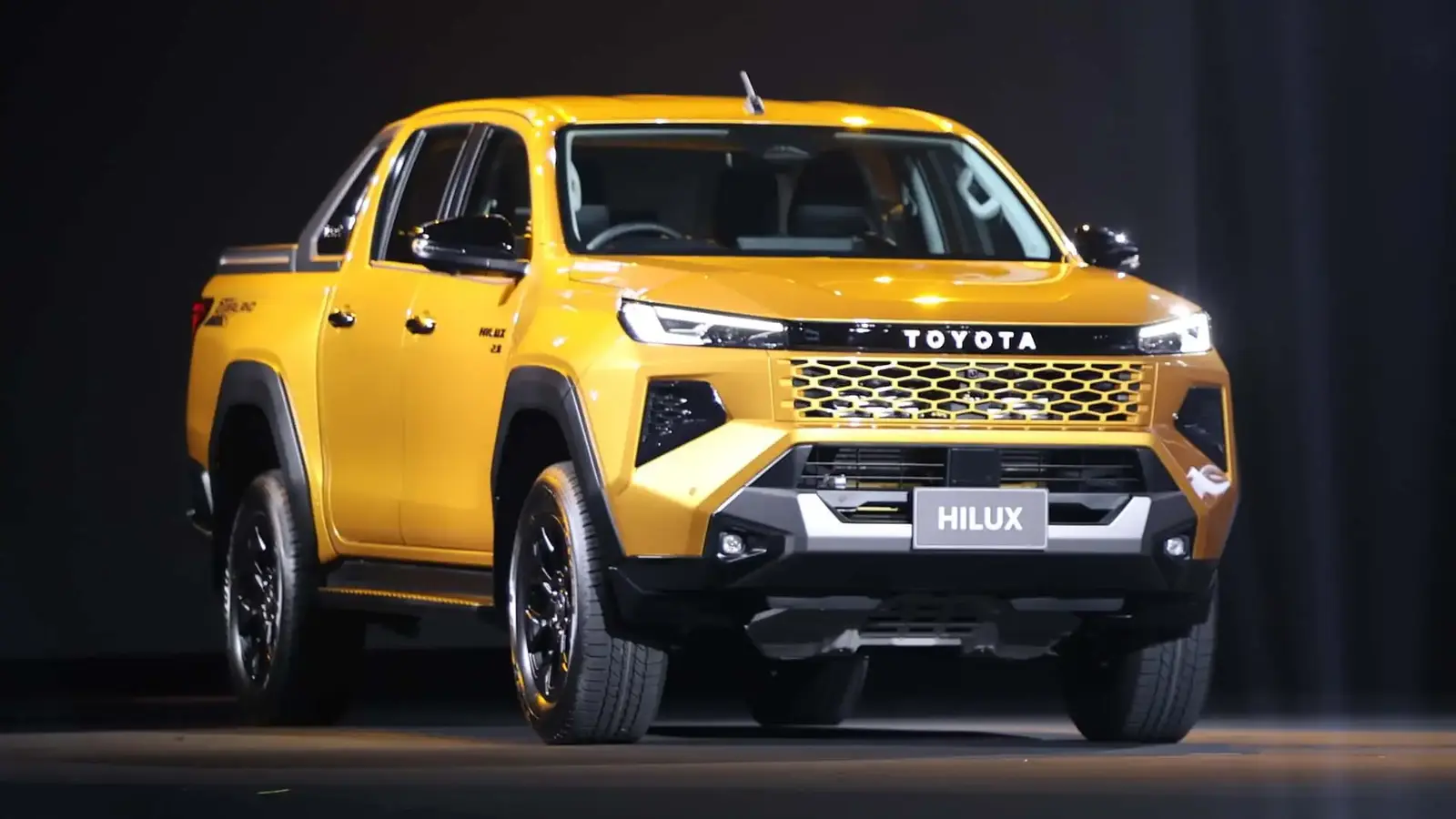


Hilux enters the electric era while keeping familiar powertrains
Toyota has given its legendary Hilux a major update for 2026: for the first time the pickup is available as a full battery electric vehicle, yet diesel and gasoline options remain in the line-up. The ninth-generation Hilux is positioned as a pragmatic, modern workhorse — one that embraces electrification without abandoning the rugged capability that made it a global bestseller.
What’s new on the outside
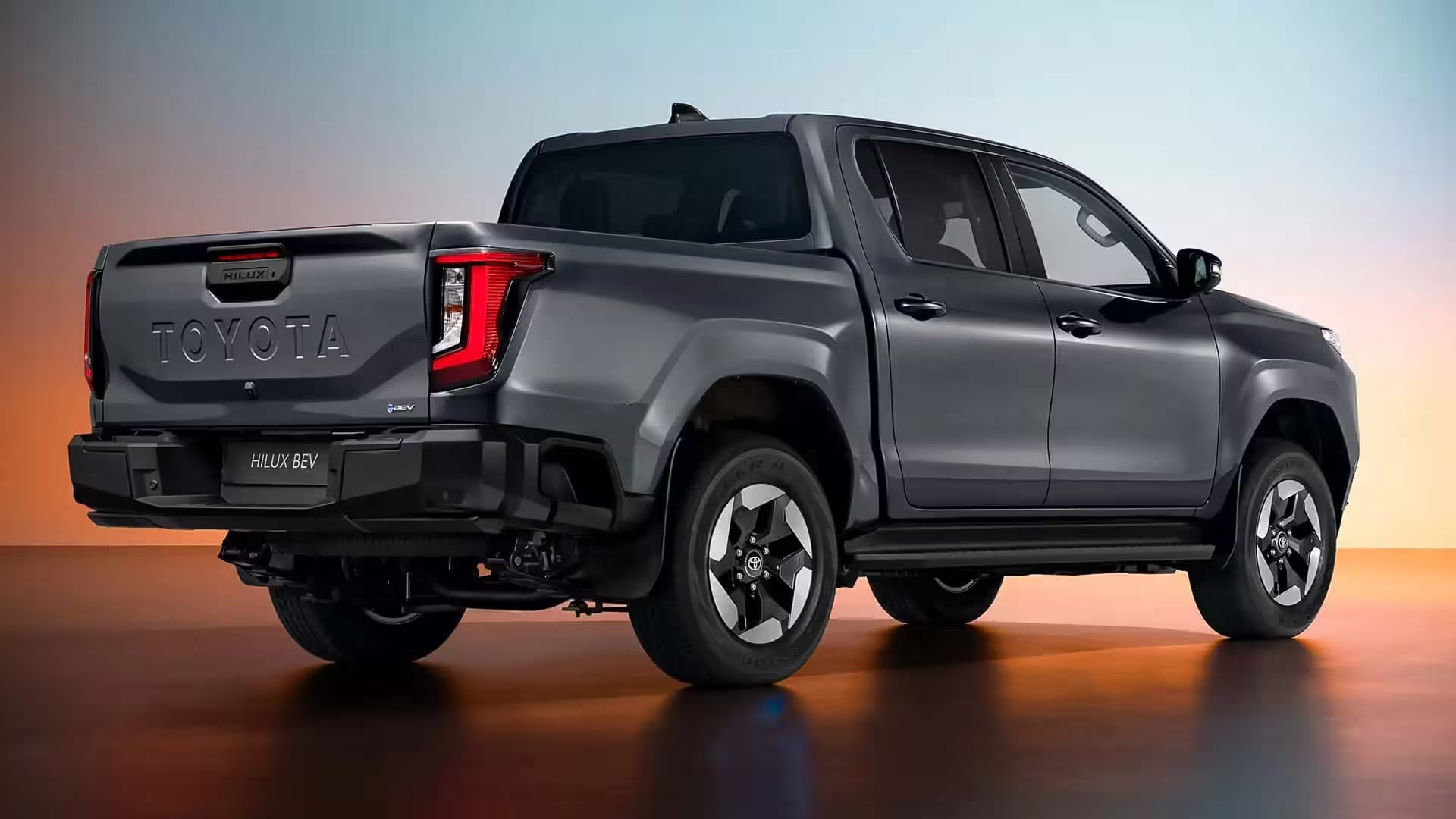
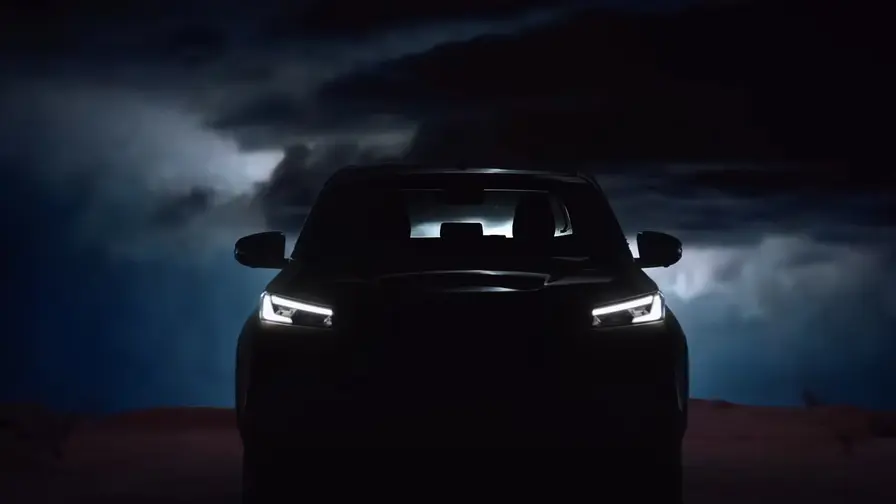
The new Hilux looks beefier and more angular than its predecessor, adopting a contemporary face that echoes Toyota’s Tacoma styling. A bold wordmark replaces the traditional badge on the tailgate, and the overall design leans into geometric shapes and sharp creases to convey toughness.
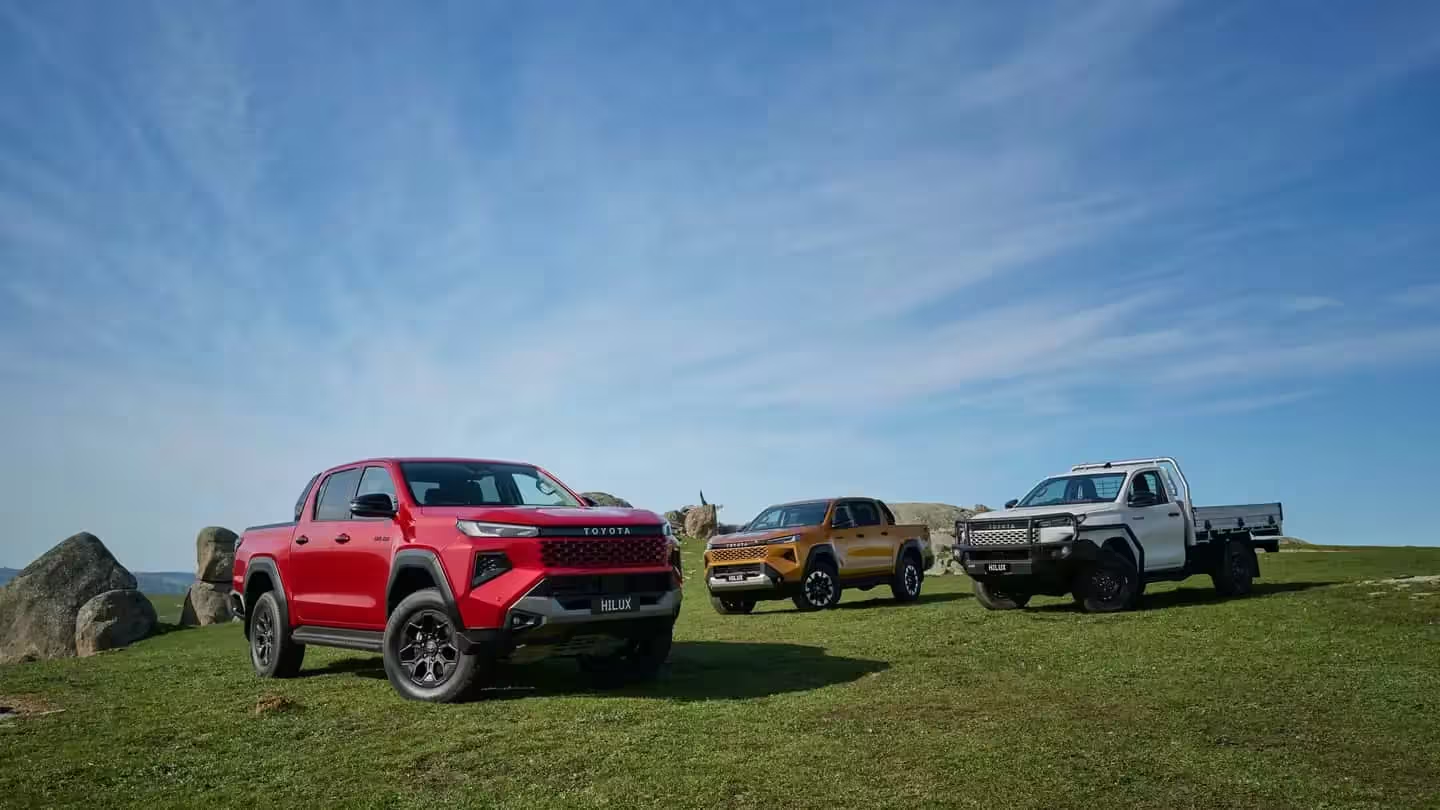
The BEV is easy to spot: a closed-off upper front panel, a front-fender charging port and unique EV wheel designs set it apart visually. Internal-combustion models keep a conventional grille for extra cooling and retain a rear-mounted fuel filler. Toyota Europe will focus on the double-cab layout, reflecting customer demand, although single-cab and Smart Cab versions will remain available in other markets such as Australia and Thailand.
Practical exterior updates
- New rear deck step for easier bed access
- Redesigned side steps for entry and exit
- Debossed Toyota lettering and an integrated tailgate handle with the truck name
These small but useful details underline Toyota’s attention to real-world usability, not just styling.
Interior: modern, functional, and purpose-built
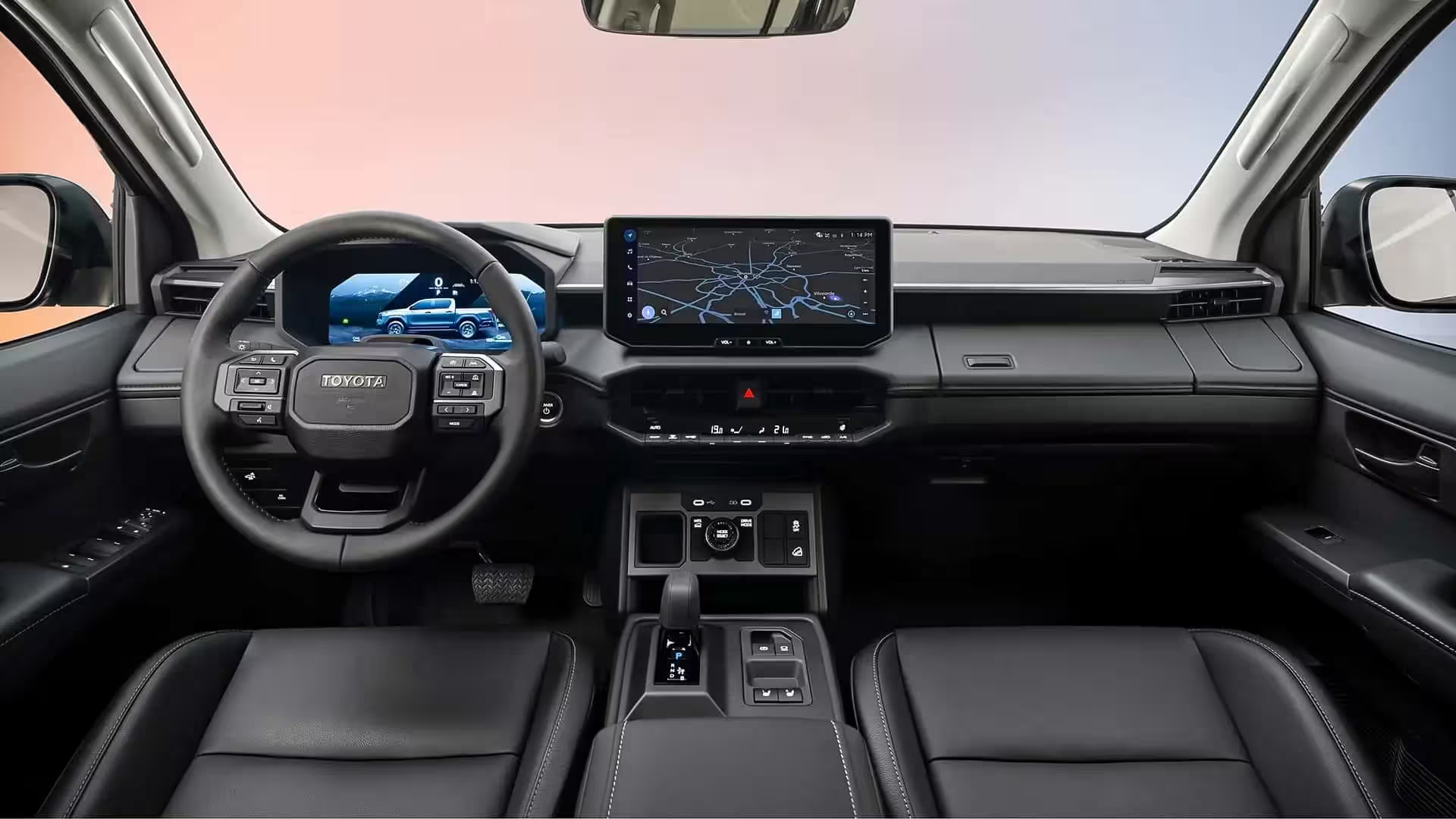
Inside, the Hilux receives a full cabin overhaul. The center console borrows cues from the Land Cruiser, with an upright architecture and robust, geometric trim. Toyota keeps plenty of physical controls where they matter: traditional buttons remain for climate control and 4x4 hardware, complementing twin 12.3-inch screens for infotainment and driver information.
That mix of tactile switches and large displays is deliberate. Toyota wants drivers to access commonly used functions without diving into touchscreen menus — a practical approach for work sites, off-road trips, and everyday driving.
Electric Hilux technical highlights
Toyota is front-loading the lineup rollout with the electric model, which features:
- Dual electric motors
- 59.2 kWh lithium-ion battery pack
- WLTP range of about 149 miles (240 km)
- Front motor torque: 151 lb-ft (205 Nm)
- Rear motor torque: 198 lb-ft (269 Nm)
- Maximum payload: 1,576 lb (715 kg)
- Towing capacity: 3,527 lb (1,600 kg)
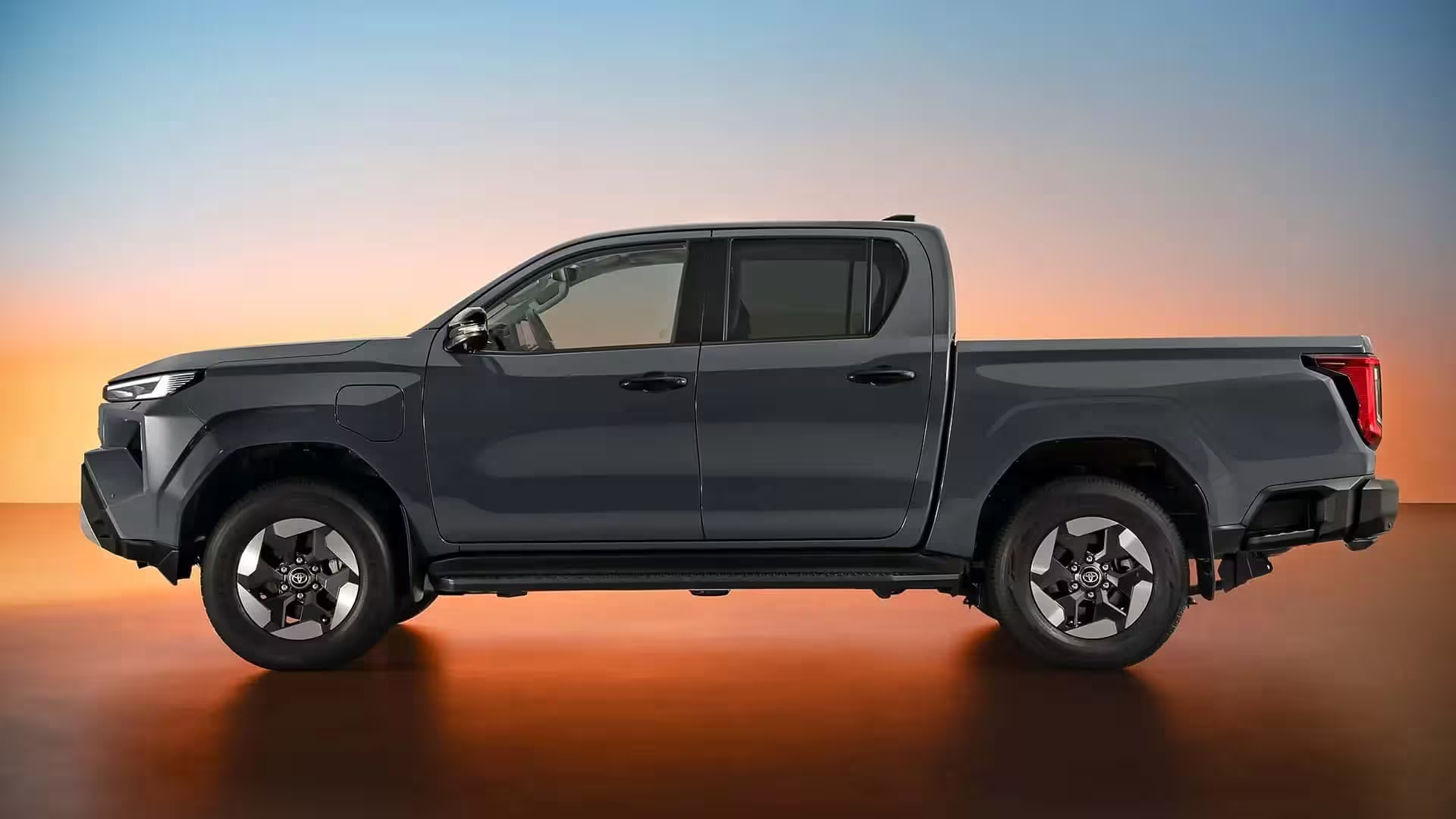
Those figures make the electric Hilux a capable daily driver and a useful tool for light-duty hauling, but Toyota is clear that the BEV is not aimed at replacing the heavy-lift capabilities of combustion models.
Mild-hybrid diesel and other combustion options
For customers who need maximum towing and payload, Toyota will continue offering a 2.8-liter turbodiesel with mild-hybrid assistance. That mill raises the stakes for work-focused buyers:
- Payload up to 2,205 lb (1,000 kg)
- Towing capacity up to 7,716 lb (3,500 kg)
In certain markets, particularly Eastern Europe, Toyota will also offer non-electrified versions of the 2.8-liter diesel and a 2.7-liter gasoline engine. Expect the mild-hybrid diesel to be the mainstream choice in Europe, where buyers often prioritize towing capacity, range, and running-cost economy.
Hydrogen on the horizon
Toyota is not abandoning alternative fuels. The company plans a fuel cell version of the Hilux by 2028, underlining its long-term investment in hydrogen technology. Toyota is also collaborating with BMW on fuel cell development, sharing know-how as hydrogen slowly gains traction for commercial and long-range applications.
New tech, safety and connectivity
The ninth-gen Hilux introduces several modern systems that bring the truck up to date with contemporary safety and convenience standards:
- Electric power steering (EPS) in Western Europe; hydraulic steering retained in some Eastern European markets
- Blind spot monitoring and Safe Exit Assist
- Driver monitoring camera
- Toyota Safety Sense suite, including Emergency Driving Stop System and Proactive Driving Assist
- Over-the-air updates, wireless phone charging, and rear USB ports
- The electric version receives a shift-by-wire drive selector
These upgrades make the Hilux easier and safer to live with while providing OTA capability for feature improvements over time.
How it fits in the market
The new Hilux is a careful balancing act. Toyota aims to serve traditional pickup customers who rely on diesel torque and long ranges, while also offering an electric variant that appeals to urban fleets and buyers looking for lower local emissions. Expect the diesel mild-hybrid to be the volume seller in most European markets, where it will likely be positioned at a lower price point than the BEV.
Despite the EV debut, Toyota is conservative about cannibalizing its own models: the Hilux will not be sold in the US, where the Tacoma fills the brand’s mid-size pickup role.
Launch timing and production
The electric Hilux will go on sale in Europe this December, with production of the mild-hybrid diesel ramping up next spring. Toyota has long manufactured the Hilux across multiple continents and will continue to tailor powertrains to regional demand.
Final thoughts
This ninth-generation Hilux embraces modernization without losing its identity. The EV variant signals Toyota’s recognition that pickups must evolve, while the continued availability of diesel and gasoline engines acknowledges that many customers still need proven capability and range. Add a fuel cell version on the 2028 roadmap, and Toyota is covering a broad set of future mobility scenarios.
For buyers, the choice will come down to mission: the electric Hilux suits lighter-duty urban and regional use, the mild-hybrid diesel remains the practical all-rounder for towing and heavy workloads, and hydrogen could eventually serve niche customers who need fast refueling and long range without tailpipe emissions.
Highlights:
- First-ever Hilux BEV leads the 2026 rollout
- Diesel and gasoline engines remain available for heavy-duty needs
- Fuel cell Hilux planned for 2028
- Modern cabin with dual 12.3-inch displays plus physical controls
- OTA updates and expanded Toyota Safety Sense features
Quote to remember: Toyota is modernizing a proven formula rather than reinventing it. The ninth-generation Hilux keeps the truck's legendary durability while offering powertrain choices for a diverse global market.
Diskusija
Palikti komentarą
Komentarai (2)
Man labai įdomu, bet ar BEV Hilux tikrai tilps į sunkius darbus? 240 km riba ir 1,6 t priekaba – tai gera pradžia, o 2028 planai su h2, kaip sprendimas ilgalaikiam naudojimui?
Wow Hilux BEV — 240 km WLTP ir 715 kg pakrova. įdomu, ar realiai atlaikys darbo dienas be dažnų įkrovų? laukiu praktinių testų ir kainų.