Showing 41-60 of 1,002 items.
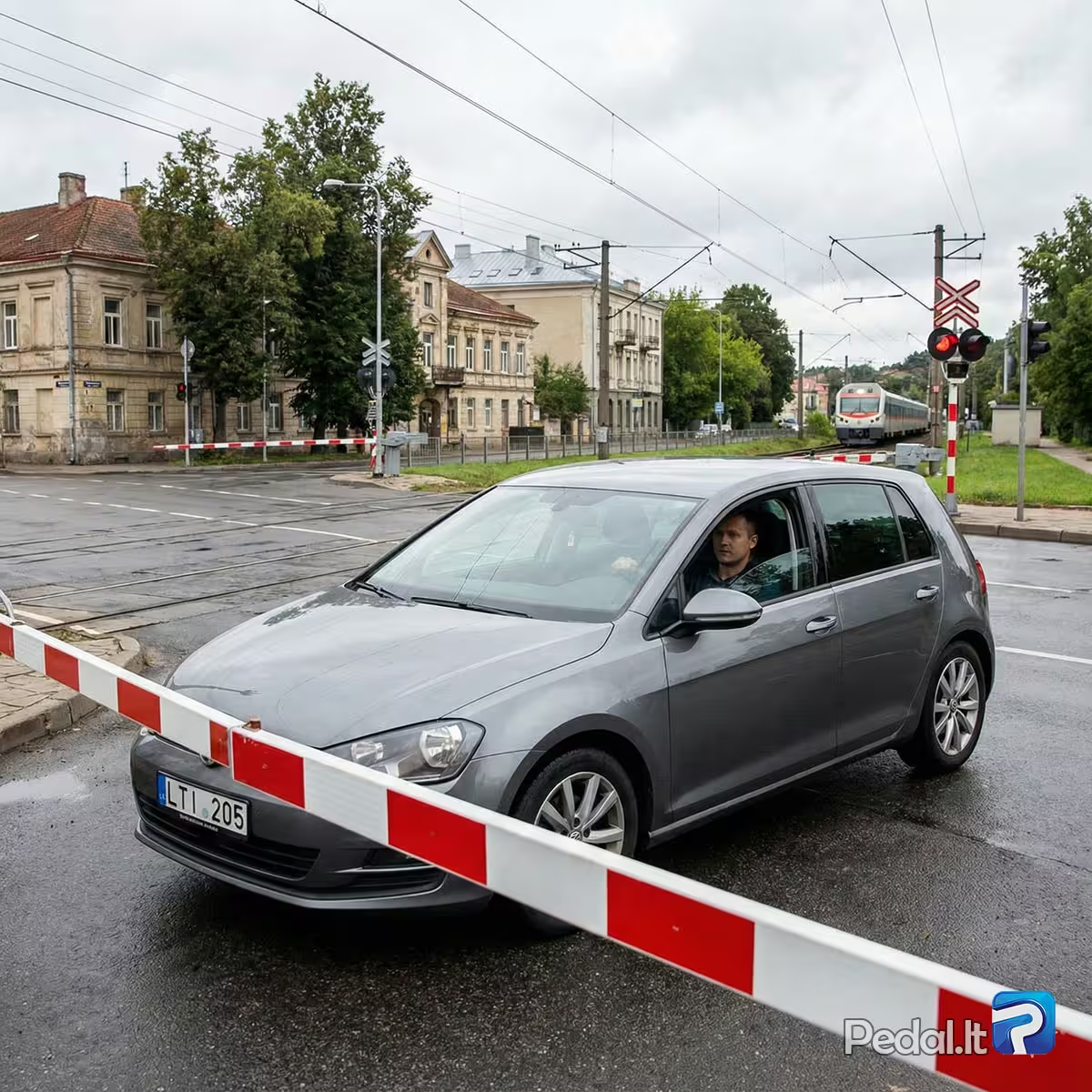
At a railway crossing, the vehicle driver must not:
Deliberately lifting the barrier.
Entering the crossing after the barrier has been lowered or is in the process of being lowered.
Driving around the barrier.
Which driver will proceed through the intersection first?
The driver of the red car.
.avif)
In what order will the vehicles pass through the intersection?
Blue and red vehicles proceed together, followed by the yellow vehicle.
.avif)
Is a driver permitted to change lanes in heavy traffic when all lanes are occupied?
Changing lanes to stop is permitted when necessary.
Changing lanes to make a U‑turn is permitted when necessary.
Changing lanes to make a turn is permitted when necessary.
When should a driver move back into the right-hand lane after overtaking another vehicle?
When the overtaking driver can see the overtaken vehicle in the rear‑view mirror.
What must a driver do when reversing?
The driver must give way to other road users.
The driver must make sure that there are no obstructions behind the vehicle.
Do not obstruct other road users ahead.
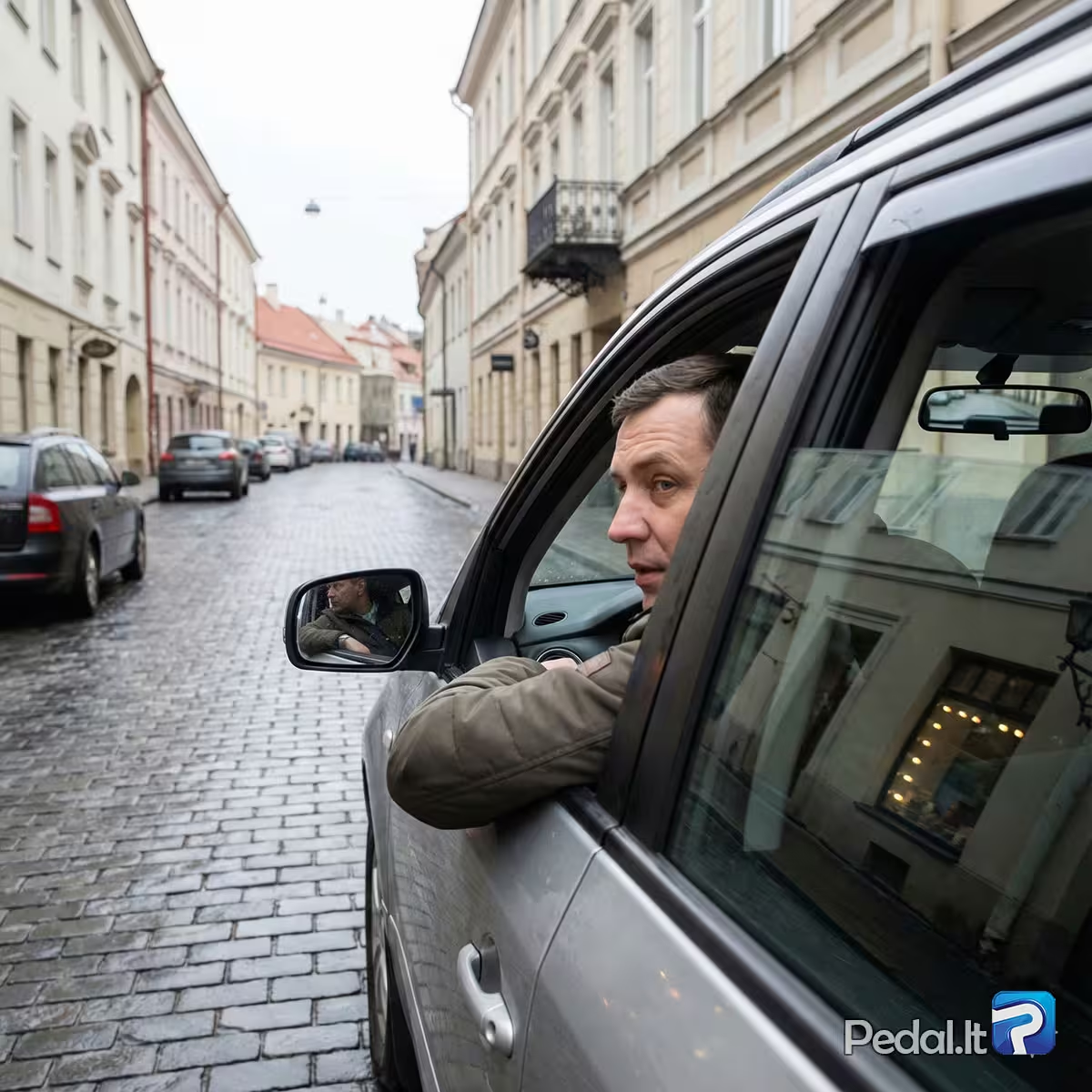
How should you behave during a long journey?
Leave the road or motorway and stop to rest; then exit the vehicle or open a window to breathe fresh air.
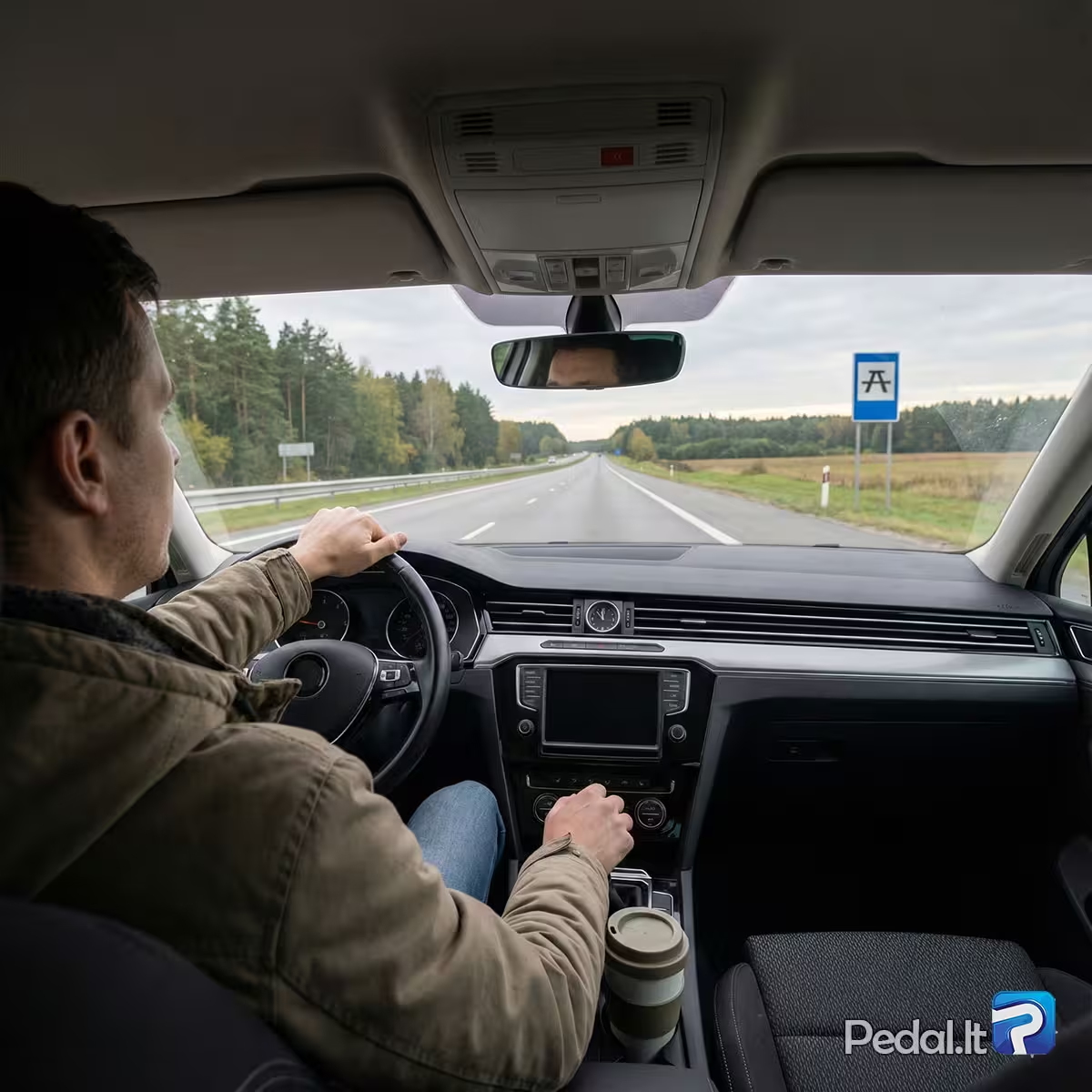
When driving safely, you must:
Anticipate the actions of other road users.
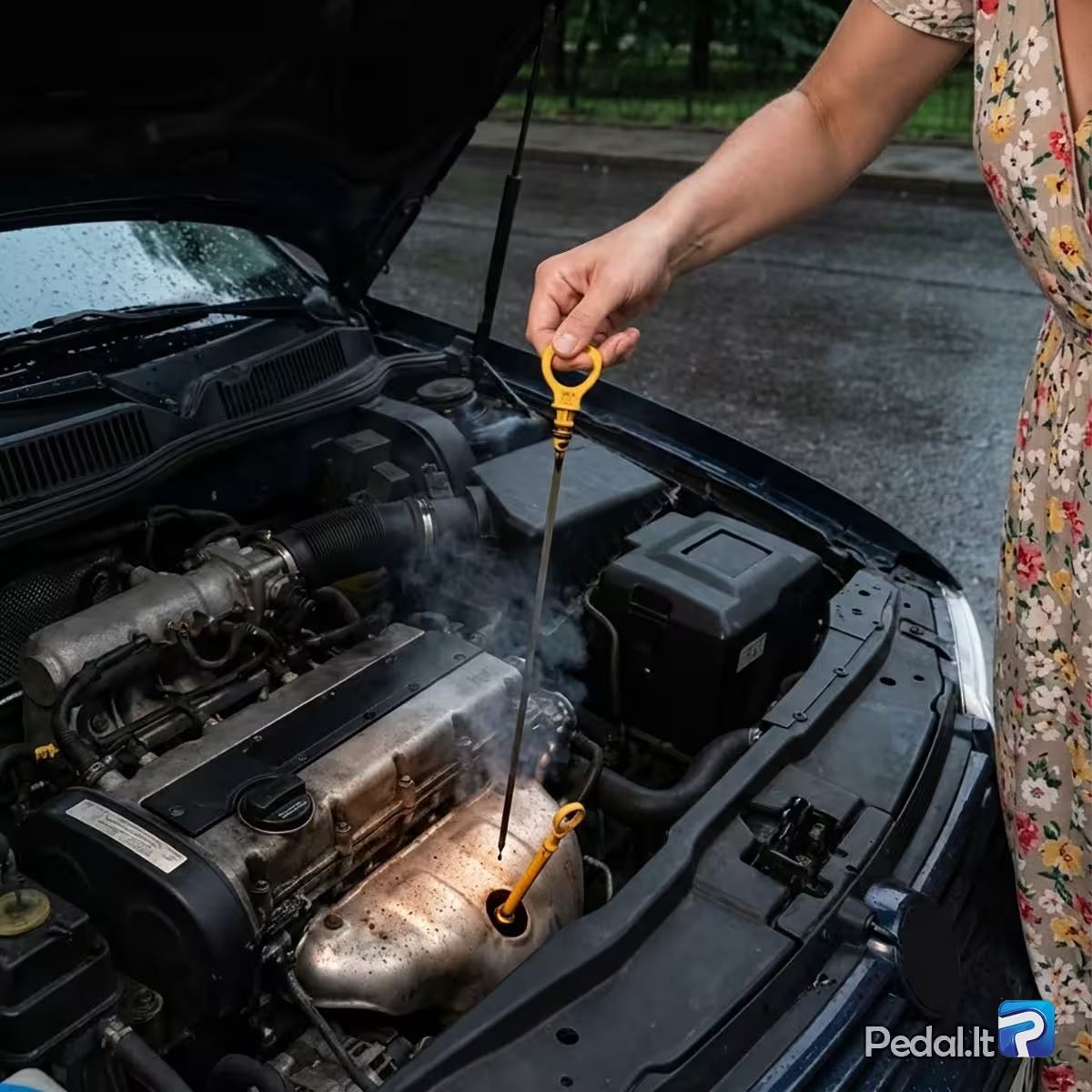
How dangerous is a low engine oil level?
The engine may suffer serious damage or fail.
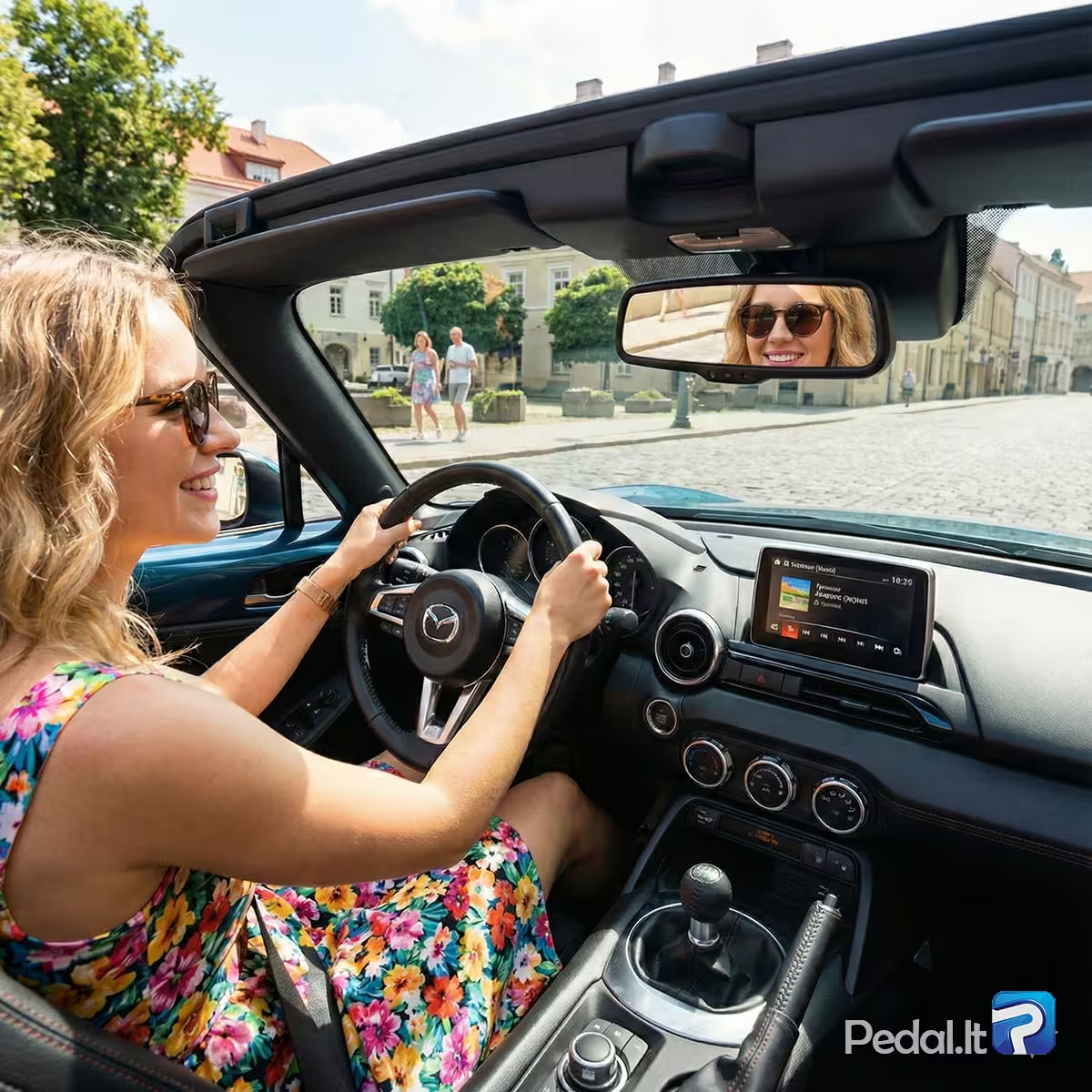
How can you save fuel and reduce environmental pollution when driving in a city?
By easing off the accelerator and reducing speed gradually (instead of braking hard) when approaching traffic lights that indicate you must stop.
By planning your route to avoid areas and times with heavy congestion.
By using public transportation whenever possible.
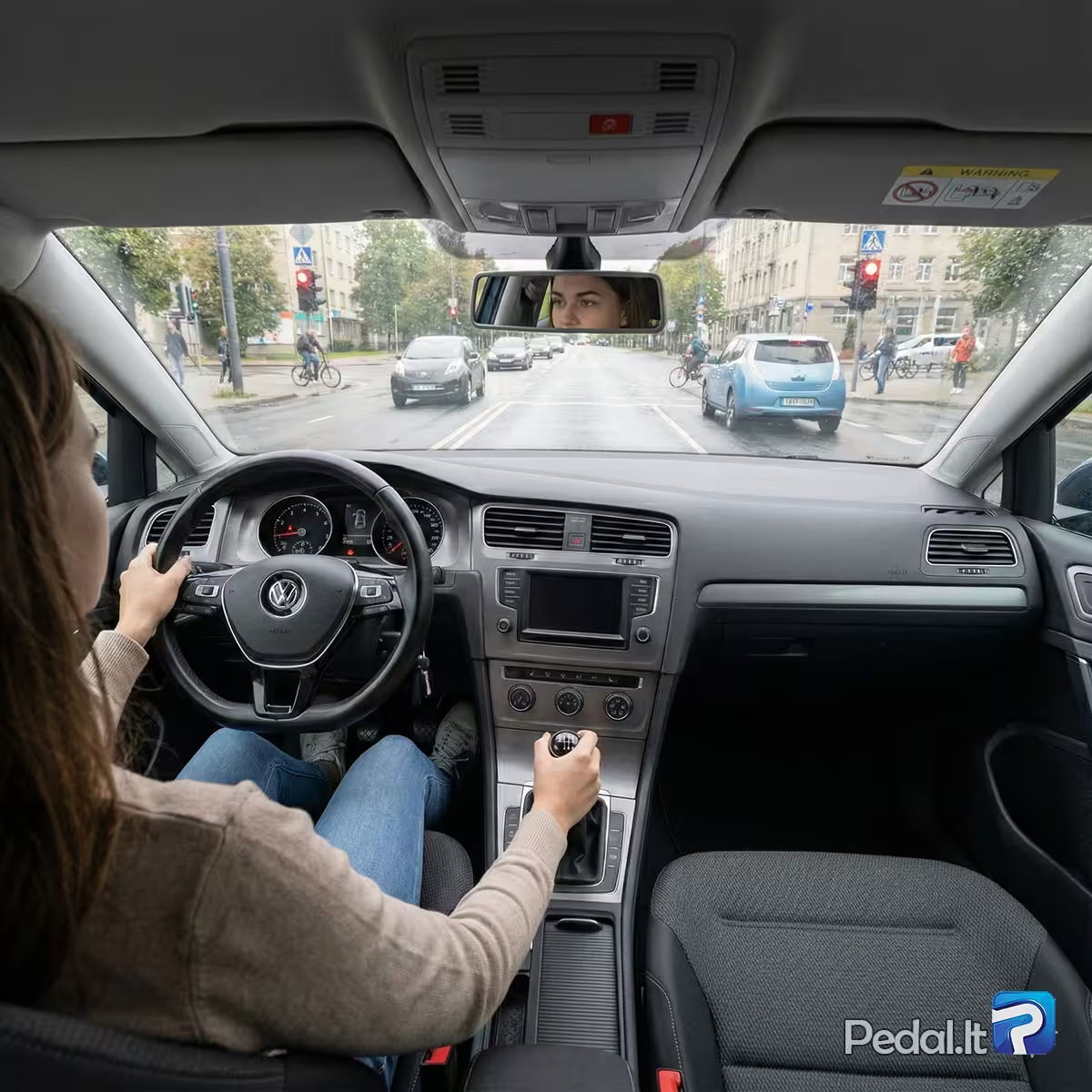
How can you reduce environmental pollution and conserve fuel?
Use public transport more frequently.
Walk more frequently.
Cycle more frequently.
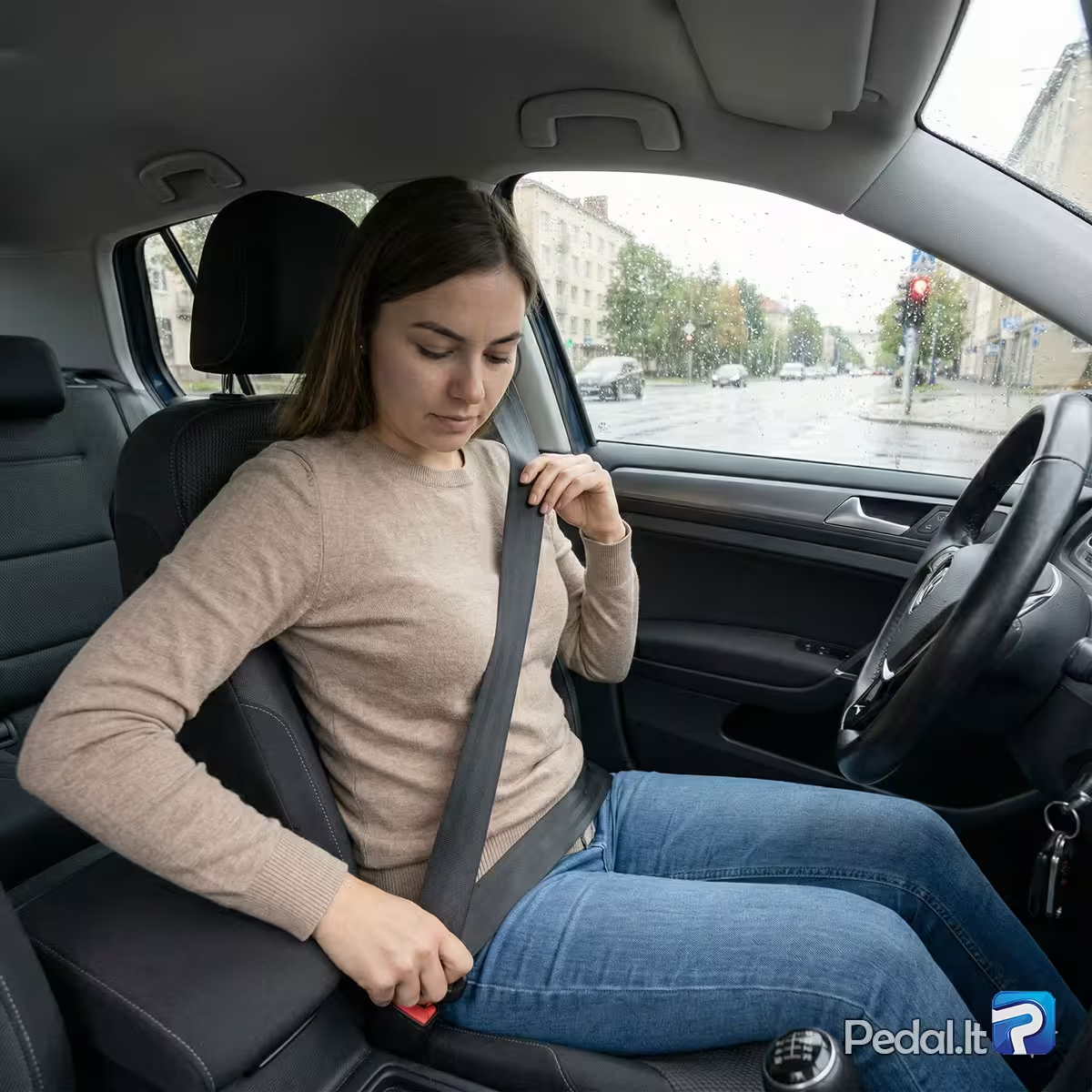
How should the seat belt be fastened correctly?
Seat belts must be worn over the shoulder and across the lap, or as specified by the vehicle manufacturer.
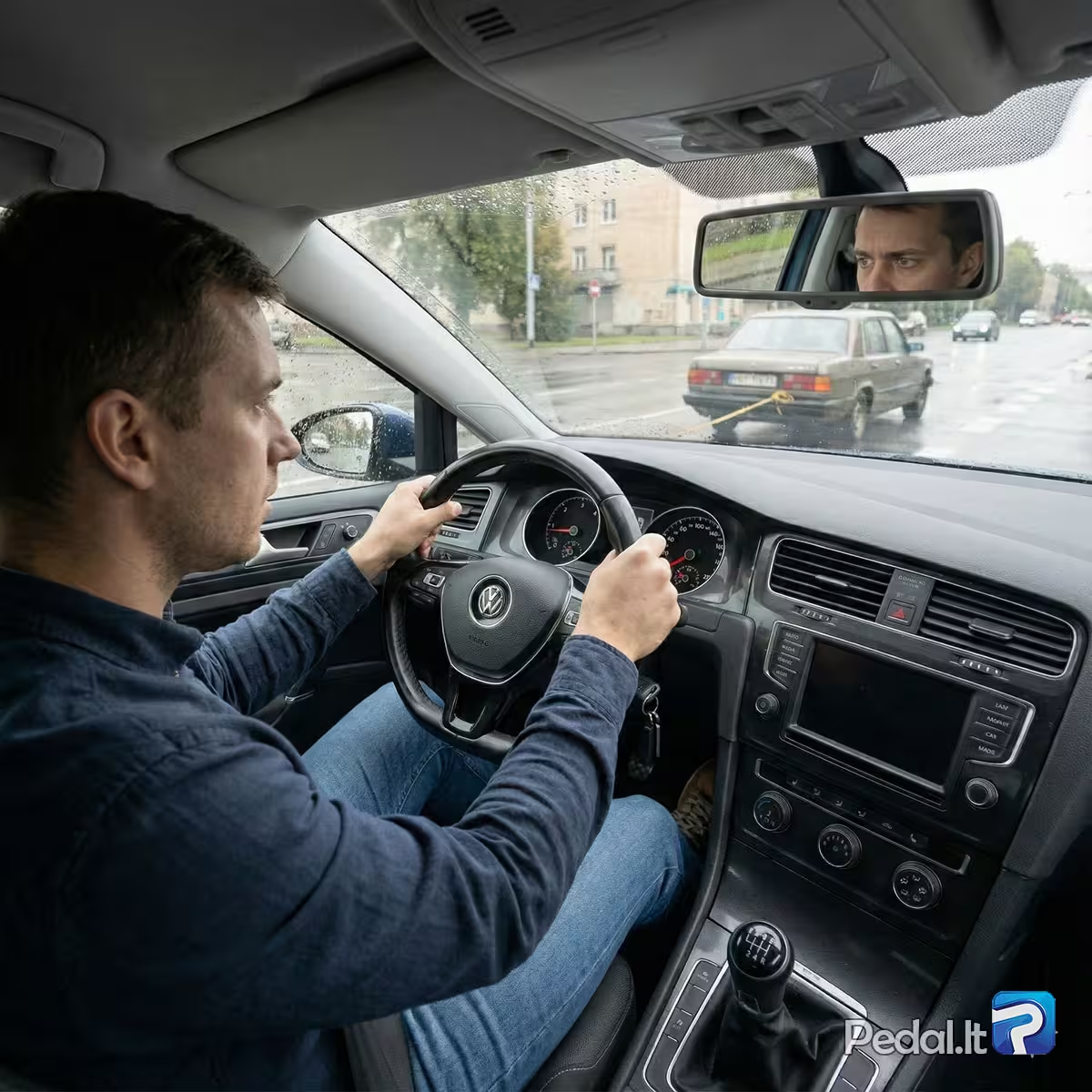
What should a driver be aware of when towing a vehicle whose engine—and therefore its brake servo—is not running?
The towed vehicle's braking effectiveness is reduced.
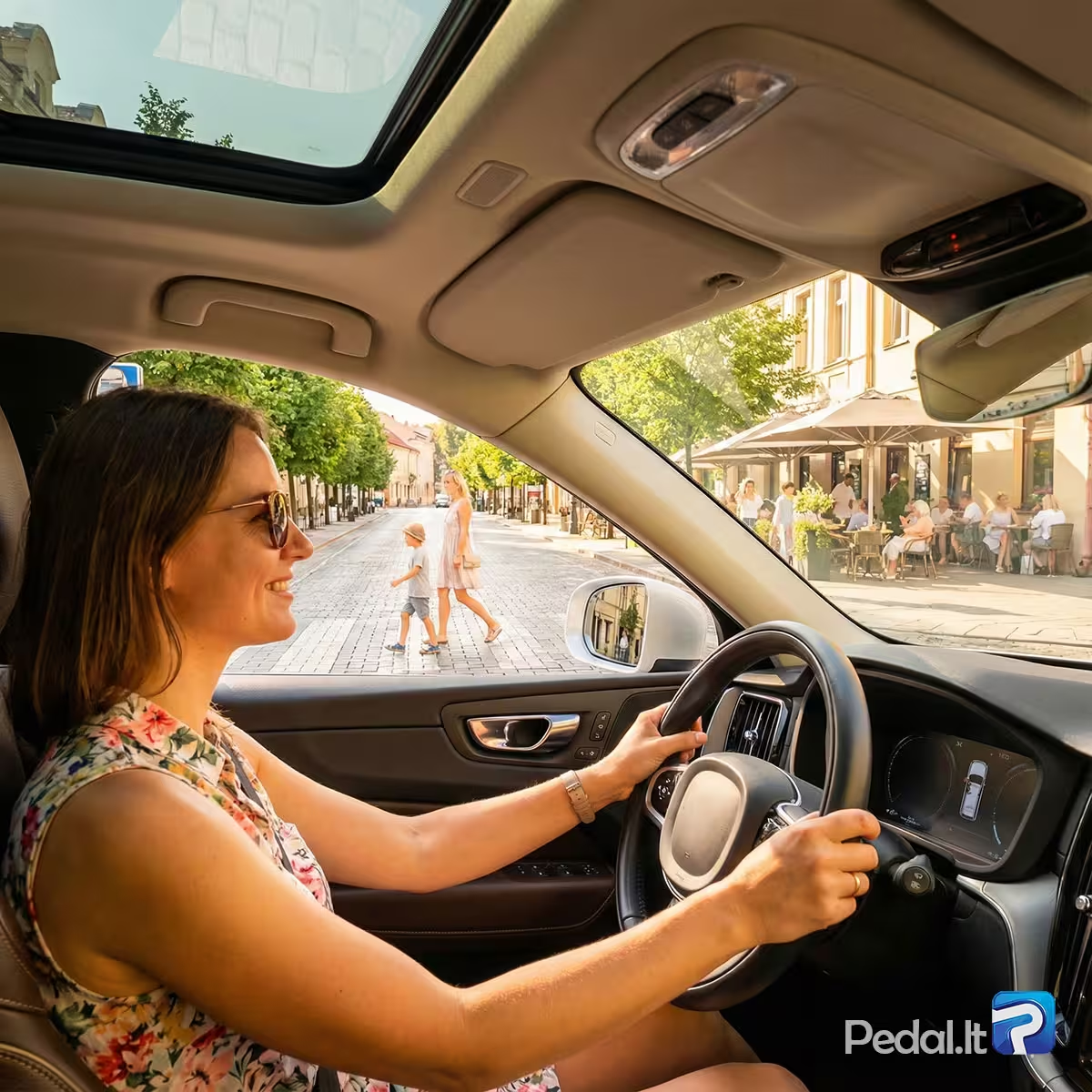
What should you do when approaching the pedestrian crossing?
You should reduce your speed.
If necessary to verify that no pedestrians are present, you will stop before the crossing.
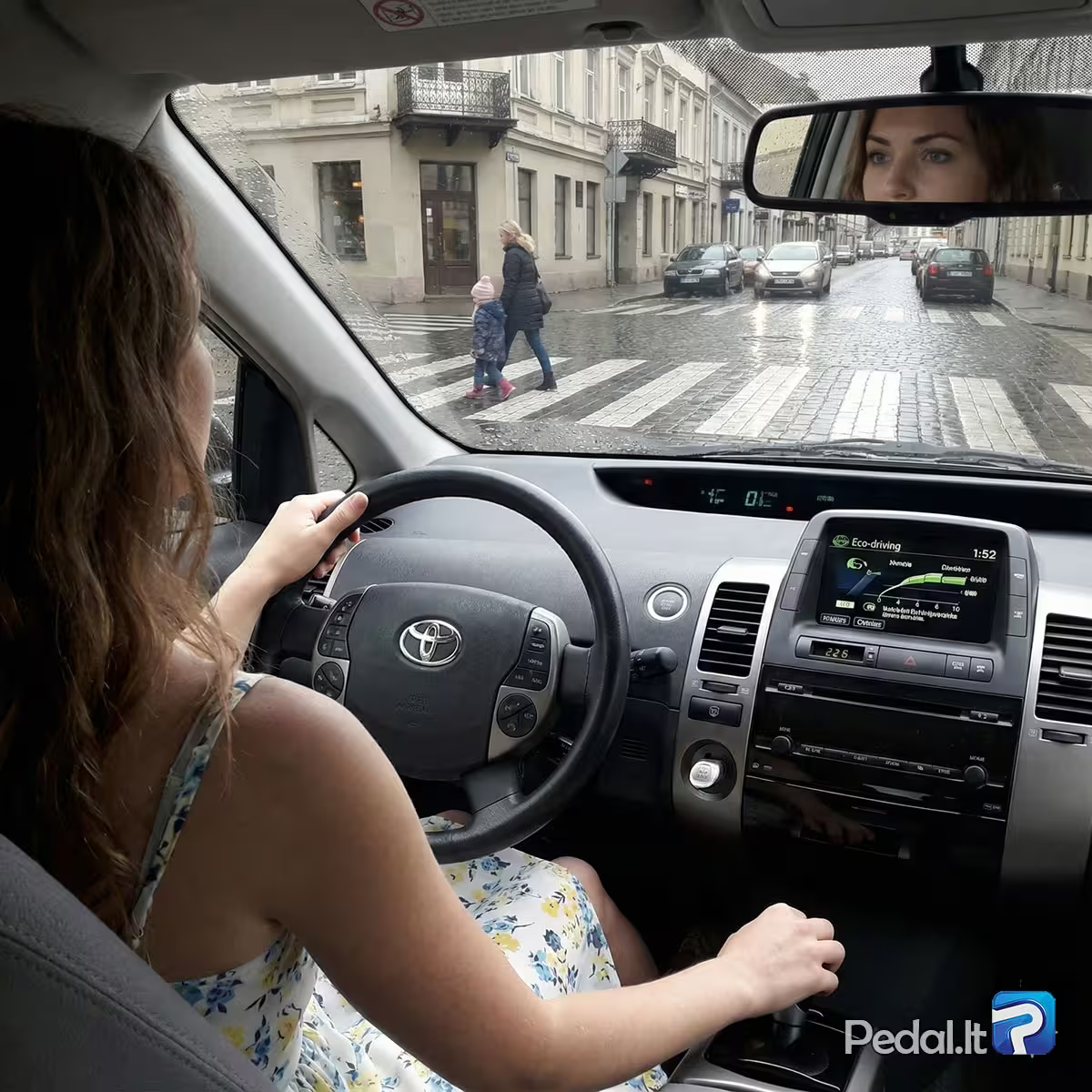
A child is saying goodbye to a friend. What should you anticipate in this situation?
The child may step into the carriageway without looking.
The child may be looking toward the road but still step into the carriageway.
The child may step into the carriageway even if you sound the horn to warn them.
.avif)
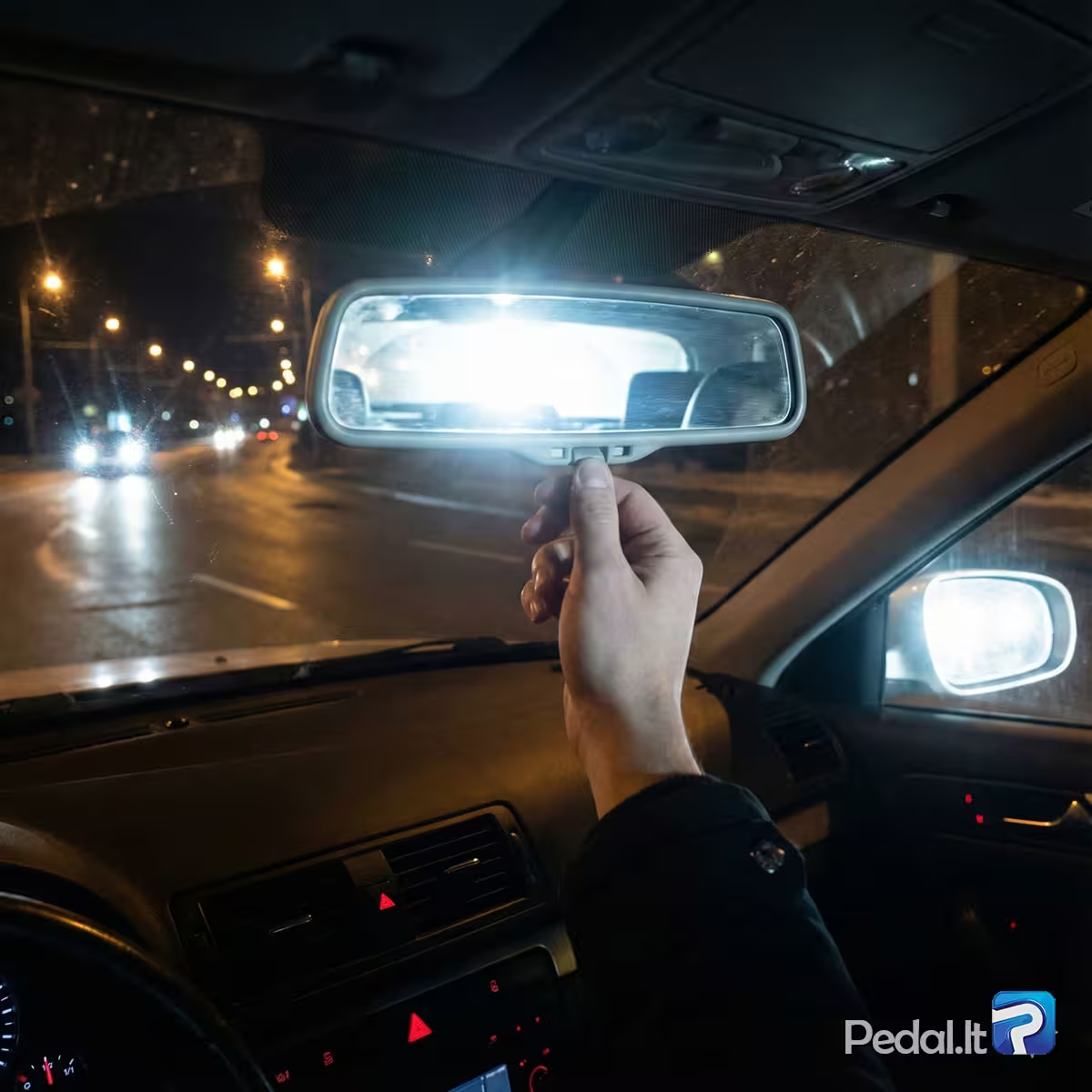
What should you do if a vehicle behind you is dazzling you with its lights?
If possible, activate the rearview mirror's automatic dimming function.
You will turn on your hazard warning lights.
You will reduce speed and stop if necessary.
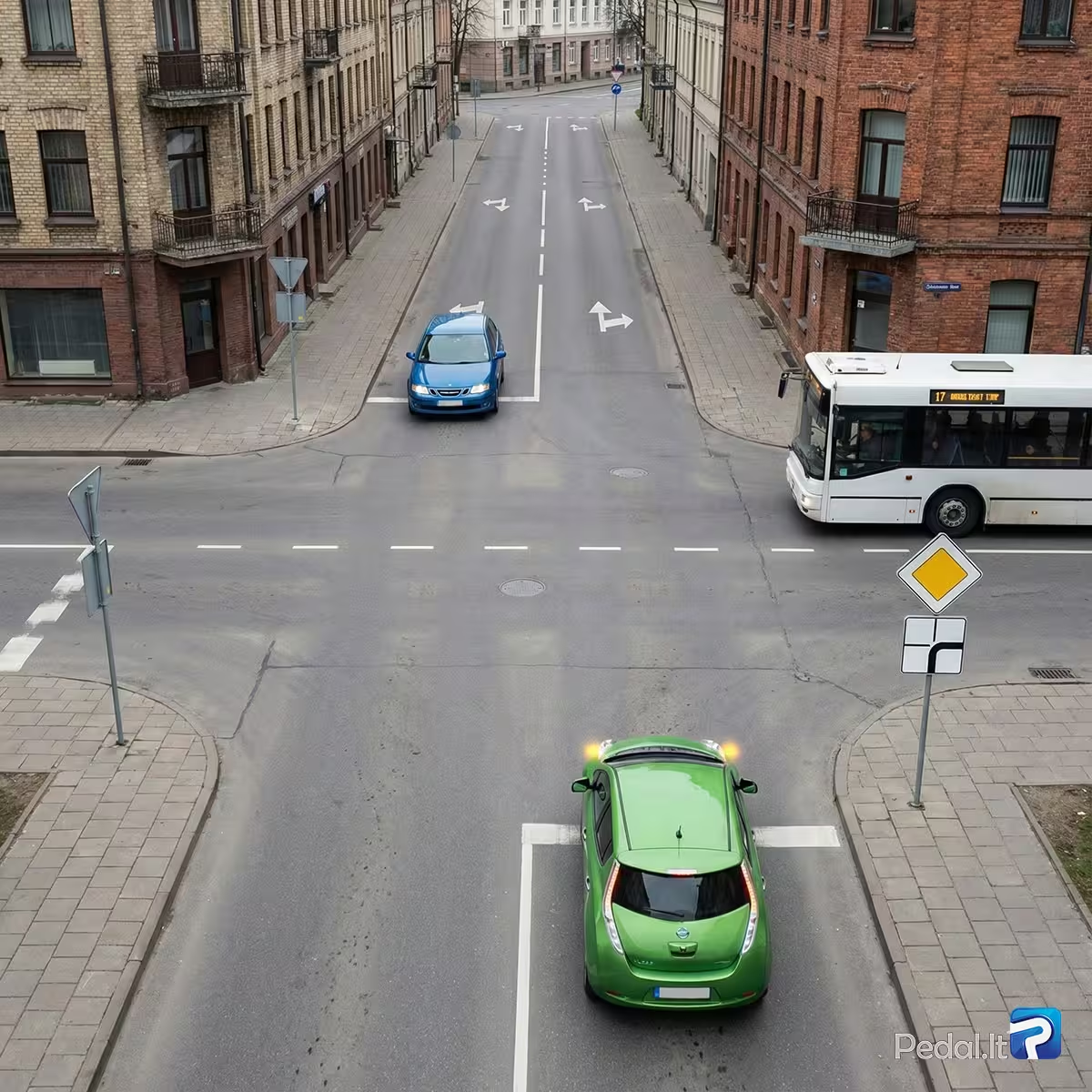
You are driving the green vehicle. When turning left, must you yield to the blue vehicle?
No — you do not have to yield.
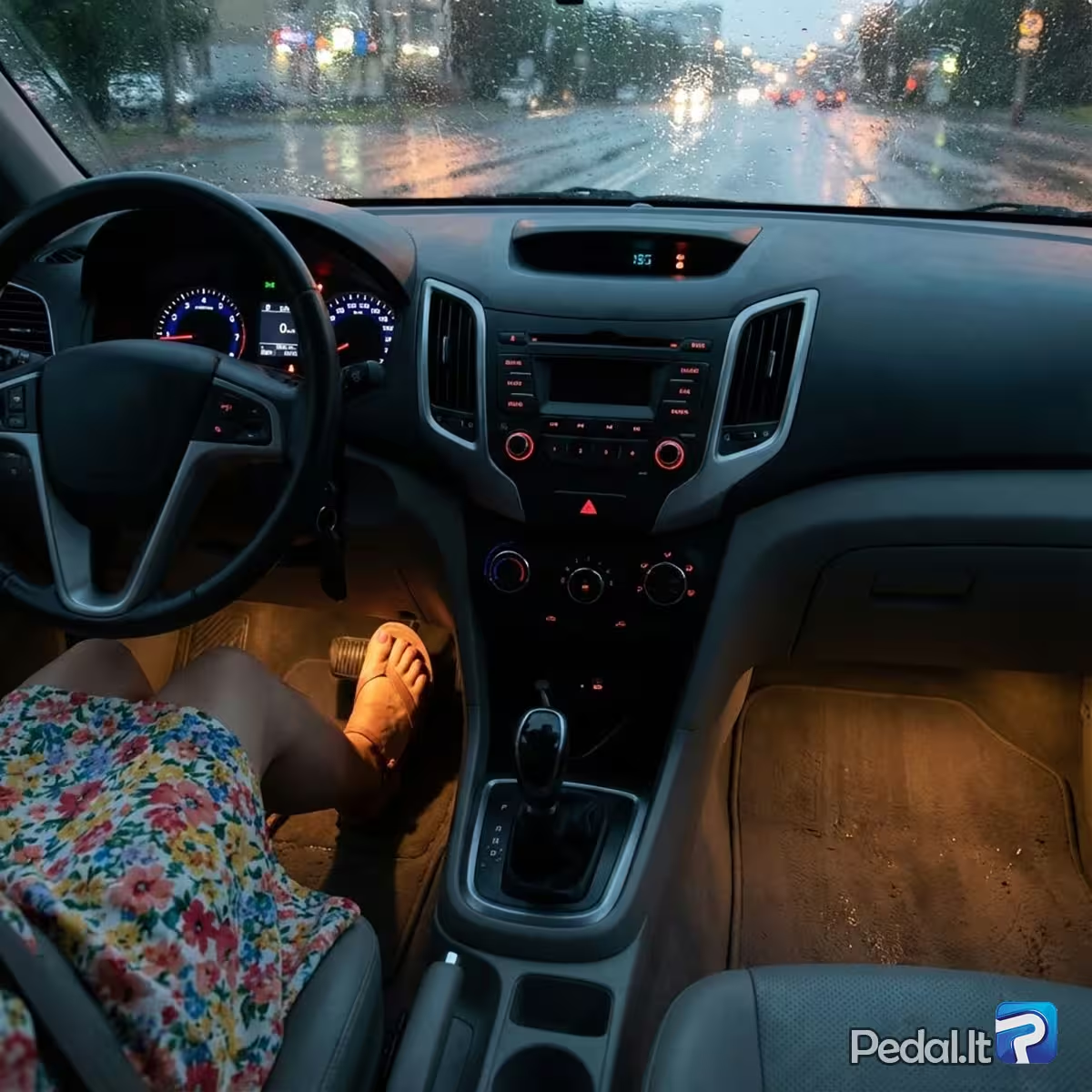
If water gets into the brake pads and reduces braking effectiveness, what will you do?
You would gently apply the brakes several times while driving slowly.
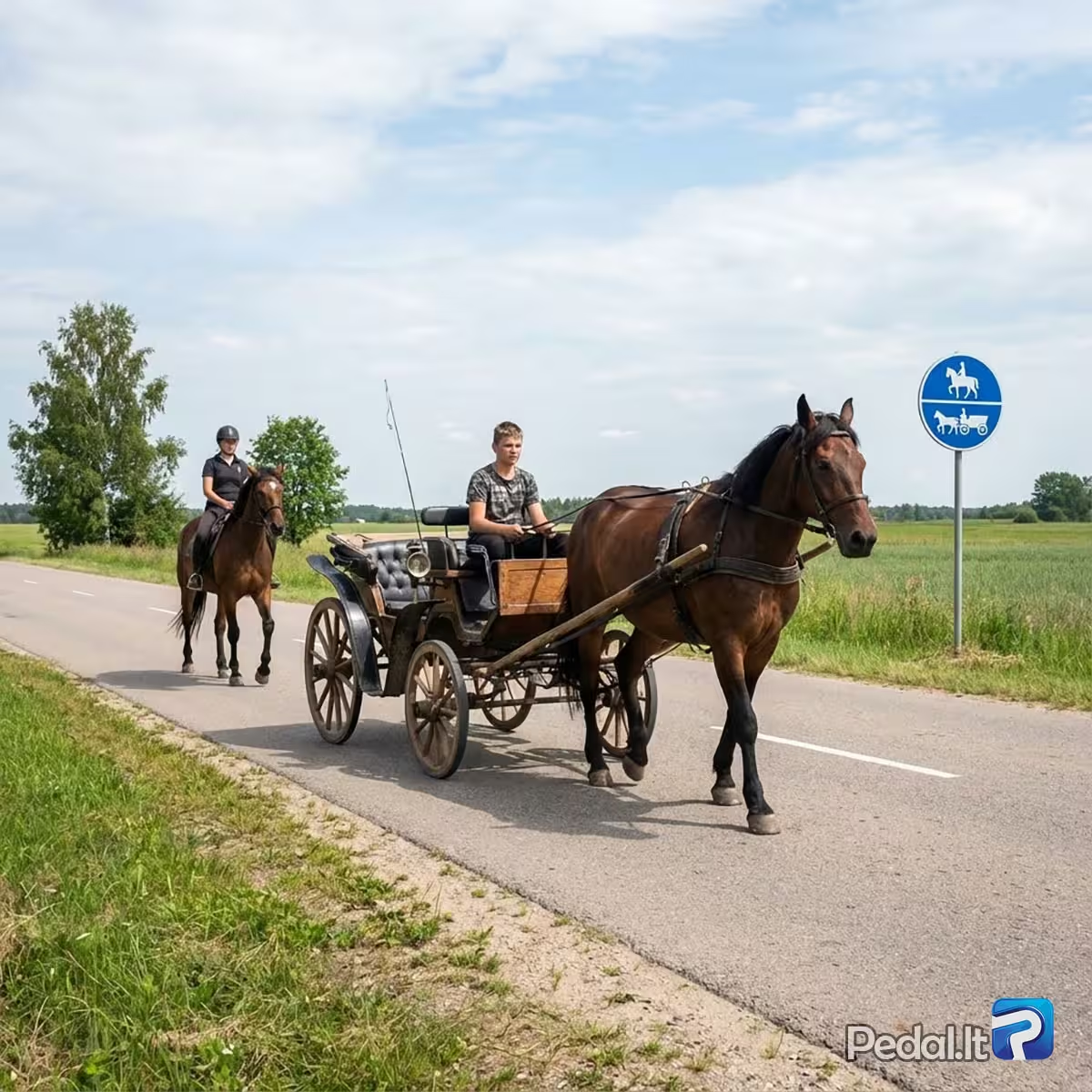
Driving an animal-drawn vehicle or riding an animal on roads is permitted from the age of:
14 years old.
What checks must a driver allow when requested by a police officer?
Alcohol intoxication.
Intoxication by narcotic drugs.