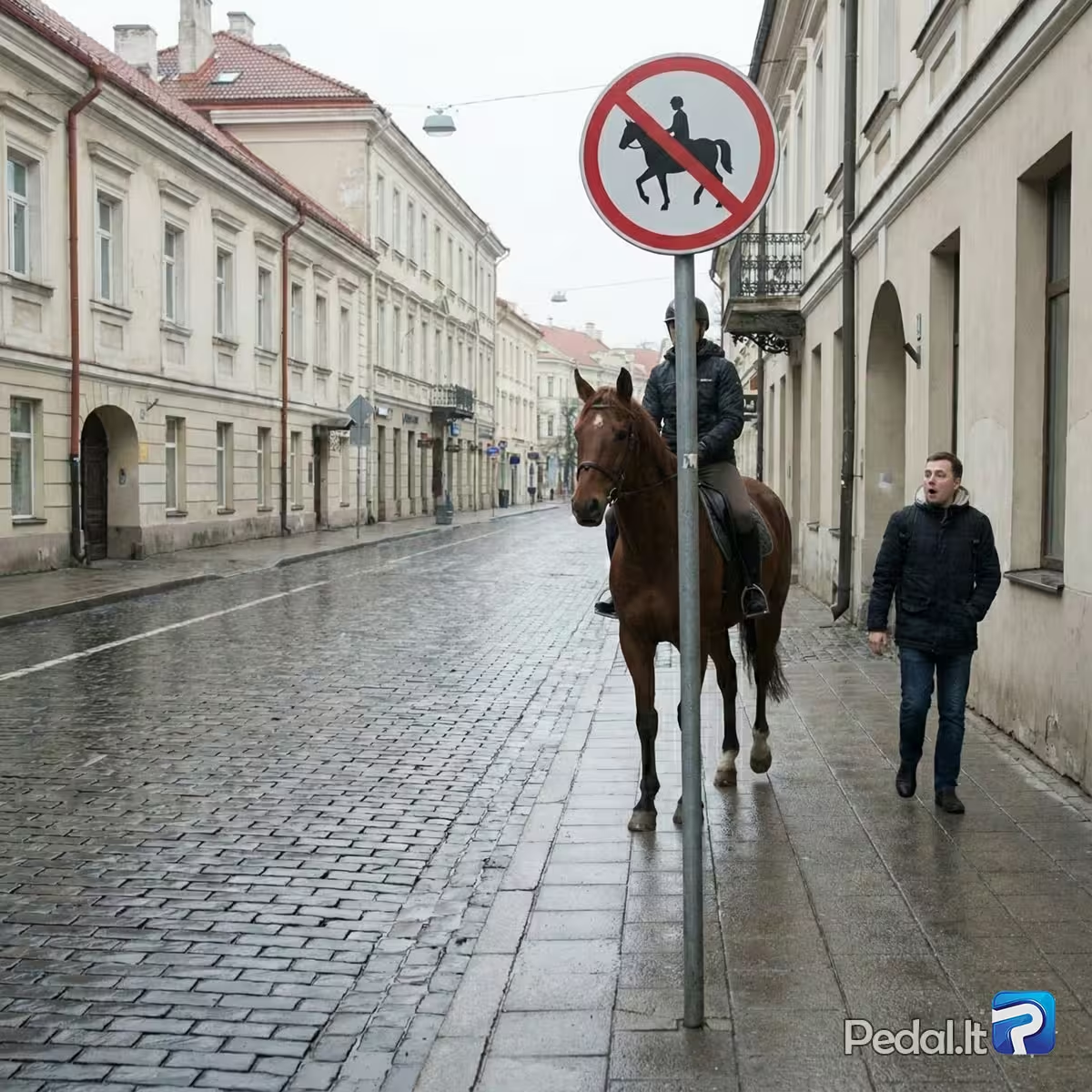
Persons riding animals are prohibited from:
67. Only persons aged 14 or older may drive an animal-drawn vehicle, herd animals or birds, or ride an animal on a road. 72. Drivers of animal-drawn vehicles, those herding animals or birds, riders, and other persons must not: 72.1. leave animals or birds unattended on a road or near a road; 72.2. tie animals so that they could enter a road; 72.3. herd animals or birds along a cobbled road or roads with asphalt or concrete pavement without the road owner's consent; 72.4. herd animals or birds across railway tracks or a road where there are no specially designated crossings; 72.5. ride an animal on the carriageway during hours of darkness; 72.6. drive animal-drawn vehicles, herd animals or birds, or ride animals on motorways and highways; 72.7. drive animal-drawn vehicles, herd animals or birds, or ride animals while under the influence of alcohol or psychoactive substances.
1. Riding an animal while under the influence of alcohol or psychoactive substances.
2. Riding an animal on the carriageway during hours of darkness, and riding on motorways and highways.
3. Riding an animal on roads if the rider is under 14 years old.
4. Riding an animal on the carriageway during daylight hours.
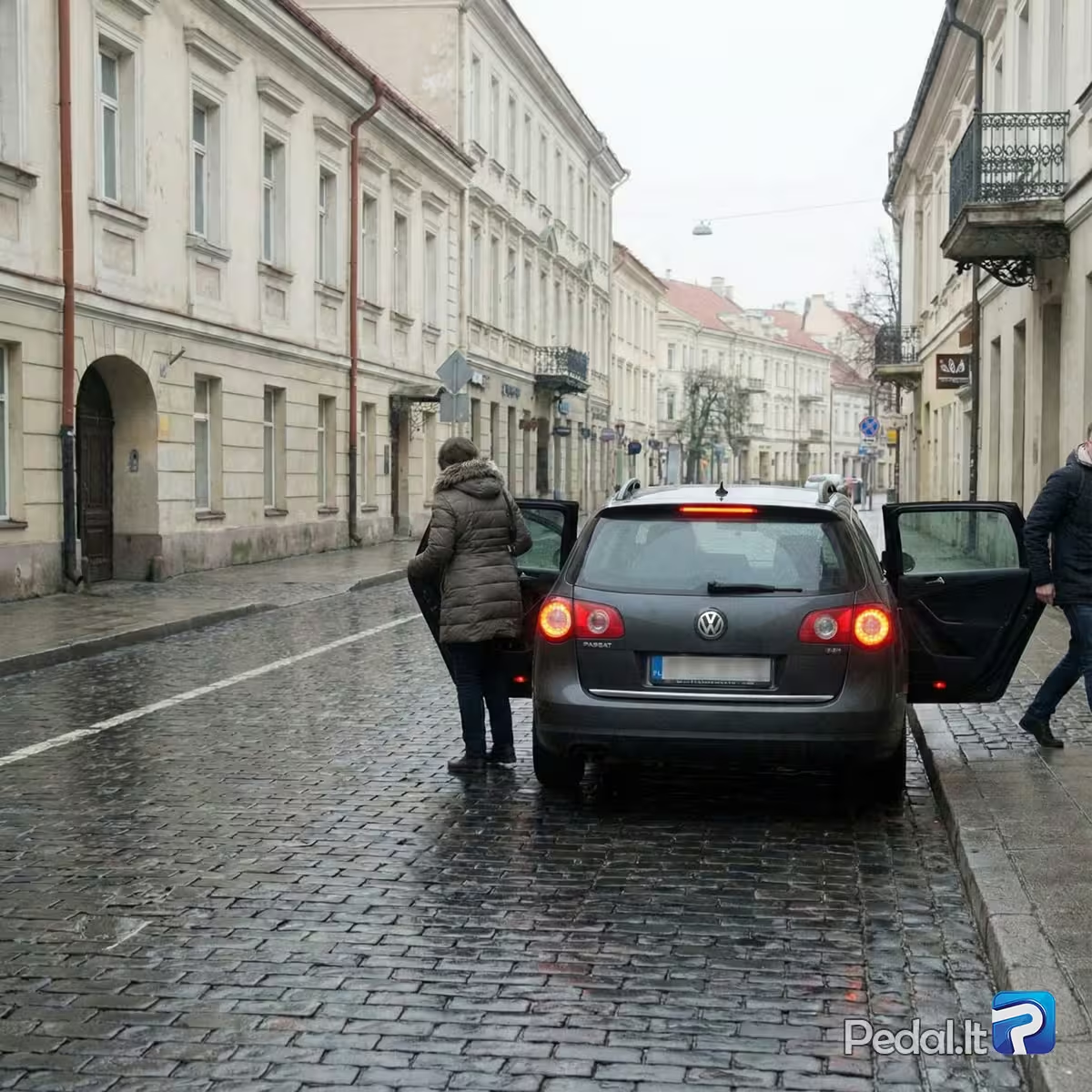
Is it permitted for passengers to board or alight from a vehicle from the roadway side?
Passengers may board or alight from the roadway side only when it is impossible to do so from the pavement (sidewalk) or hard shoulder, and only if it can be done safely without obstructing other road users.
1. It is prohibited.
2. It is allowed.
3. Yes — permitted only when boarding or alighting from the pavement (sidewalk) or hard shoulder is not possible.
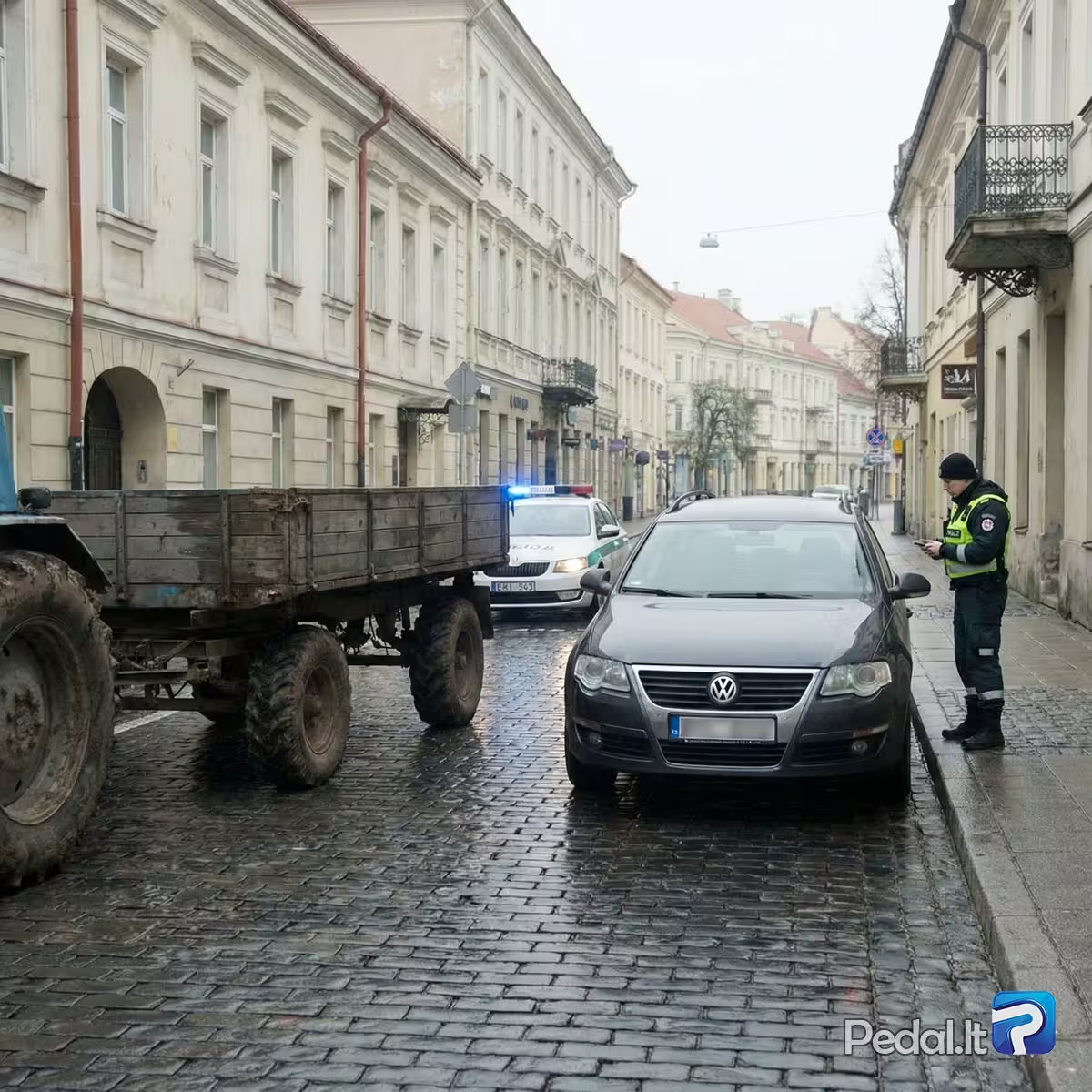
Are motor vehicles permitted to tow trailers intended for agricultural tractors?
Motor vehicles are not permitted to tow trailers intended for agricultural tractors due to safety requirements and technical incompatibilities. The term "motor vehicle" excludes non-road rail vehicles, tractors, and self-propelled machines. Per RTR 207, the total weight of carried cargo and passengers and the axle loads must not exceed the gross vehicle weight and axle load limits specified for that vehicle by the Ministry of Transport and Communications of the Republic of Lithuania and by the vehicle manufacturer. The gross weight of a towed trailer (laden or unladen) must not exceed the maximum permissible tow weight established by the Ministry and the manufacturer. Consequently, motor vehicles are prohibited from towing trailers of non-motor vehicles, and non-motor vehicles are prohibited from towing trailers of motor vehicles.
1. Only sport utility vehicles (SUVs) are permitted to tow trailers designed for agricultural tractors.
2. Motor vehicles are prohibited from towing trailers intended for agricultural tractors.
3. Only Category C commercial vehicles are permitted to tow trailers designed for agricultural tractors.
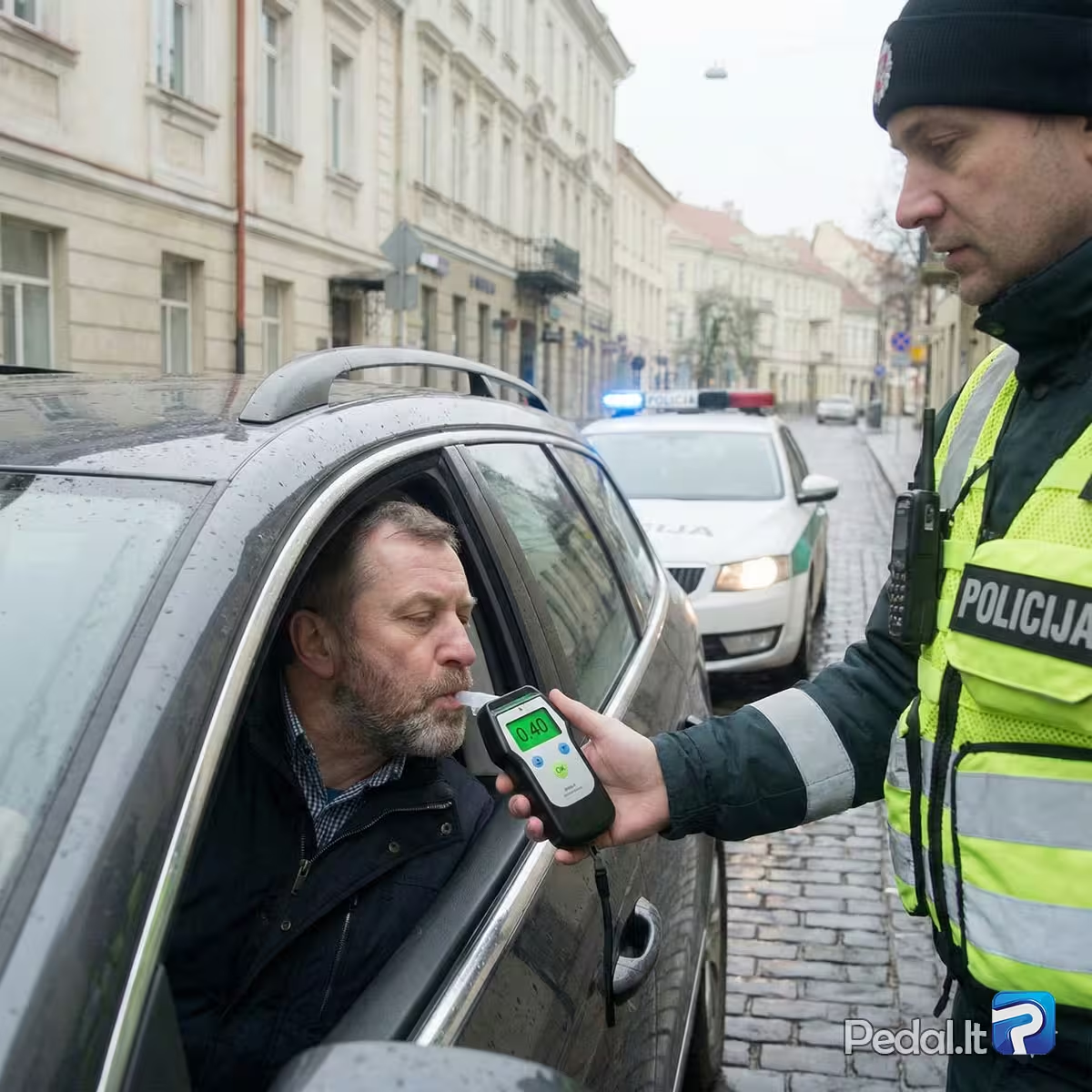
What is the maximum permitted alcohol concentration (in per mille, ‰) for a driver with 20 years of driving experience?
According to the Law on Road Traffic Safety, Article 2, point 43: “Drunkenness” means a state in which a person has consumed ethyl alcohol and the concentration of that alcohol in the body's biological media (exhaled air, blood, urine, saliva or other bodily fluids) exceeds the legal limit. The maximum permitted concentration of ethyl alcohol in the exhaled air, blood, urine, saliva or other bodily fluids of persons operating vehicles is 0.4 per mille (‰). Novice drivers, taxi drivers, and drivers of mopeds, motorcycles, tricycles, light quadricycles, four-wheelers, motorized quadricycles, vehicles with a maximum permissible weight over 3.5 t or with more than 9 seats, and drivers transporting dangerous goods are considered intoxicated when the concentration of ethyl alcohol in their exhaled air, blood, urine, saliva or other bodily fluids is greater than 0 ‰. JB
1. 0.2 ‰
2. 0.3 ‰
3. 0.4 ‰
4. 0.8 ‰
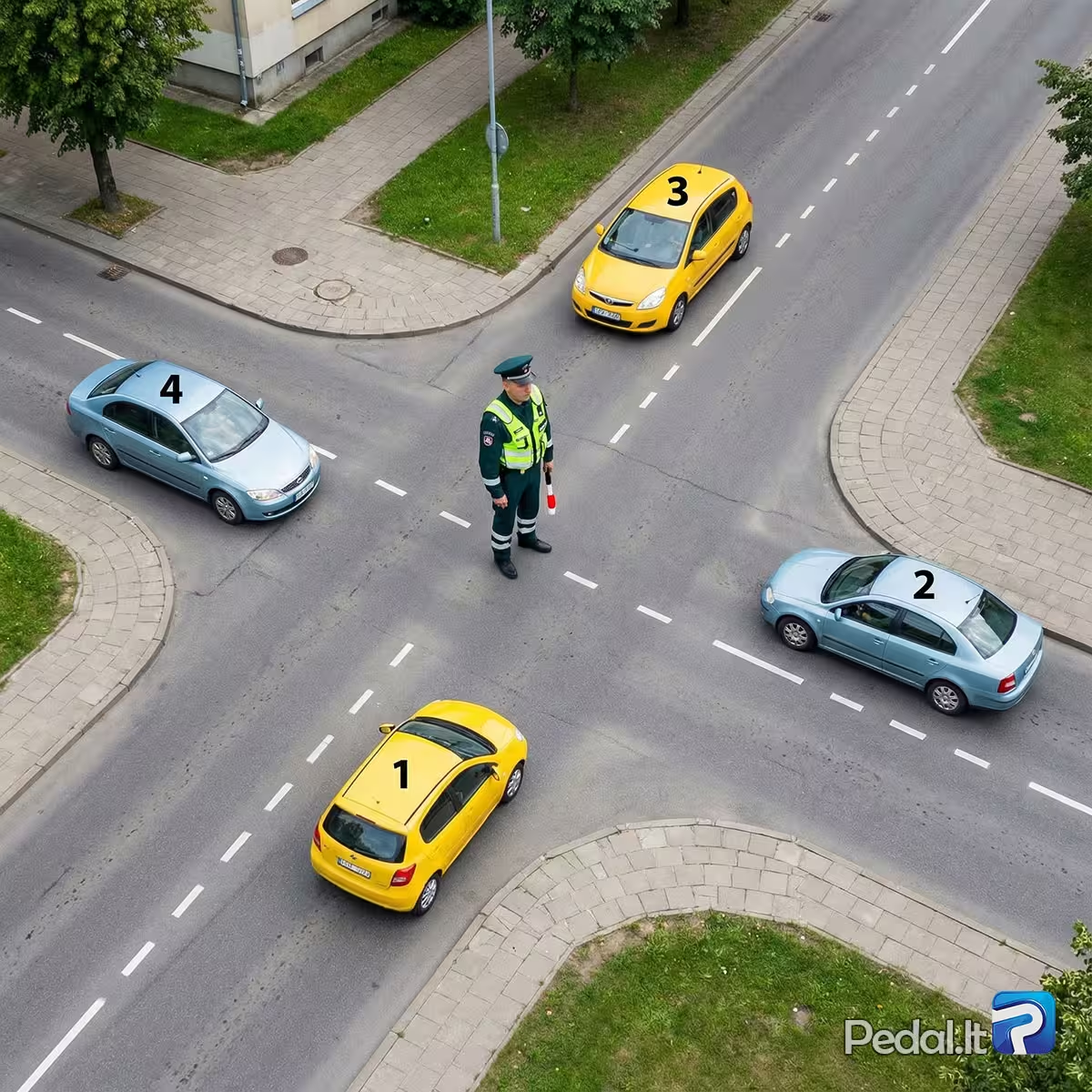
Is the third vehicle permitted to make a U‑turn?
The leading vehicle is not permitted to turn left and therefore may not make a U‑turn (RTR 77.1). When the signal arm is extended sideways or downward: 77.1.1 vehicles to the left and right may proceed straight or turn right; pedestrians may cross the carriageway; 77.1.2 vehicles and pedestrians ahead of and behind the signaling vehicle must not proceed. JB
1. Yes — it may.
2. No — it is not permitted.
3. Yes — but only after yielding to the first vehicle proceeding straight.
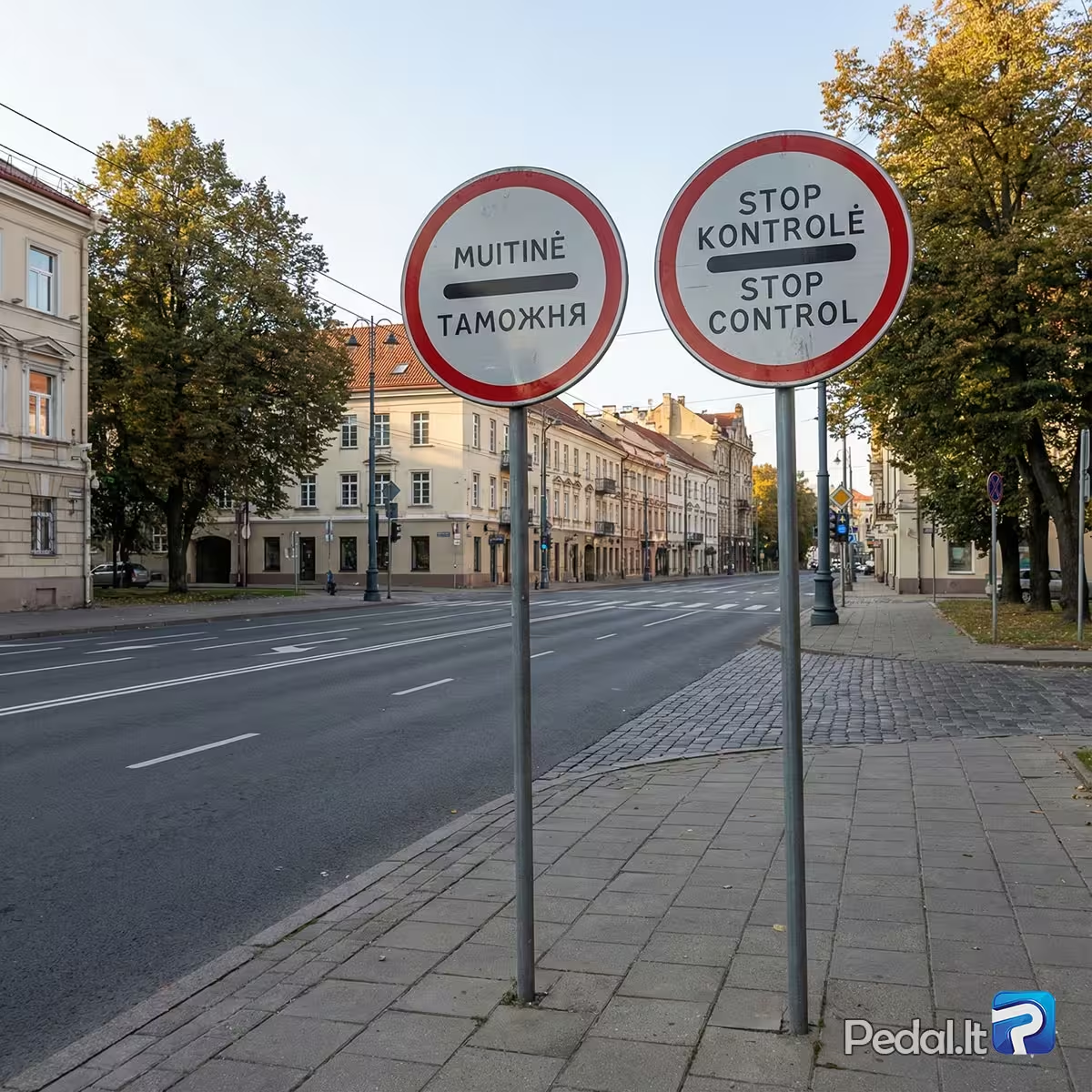
When approaching these traffic signs, you must:
Traffic sign 320 — Customs. Passing the sign without stopping is prohibited. Vehicles may proceed only with the permission of the customs officer. Traffic sign 321 — Check point. Passing the sign without stopping is prohibited. Vehicles may proceed only with the permission of the inspecting officer. JB
1. Proceed very slowly.
2. Stop and immediately continue driving.
3. Stop at the sign and proceed only after receiving permission from the inspecting officer.
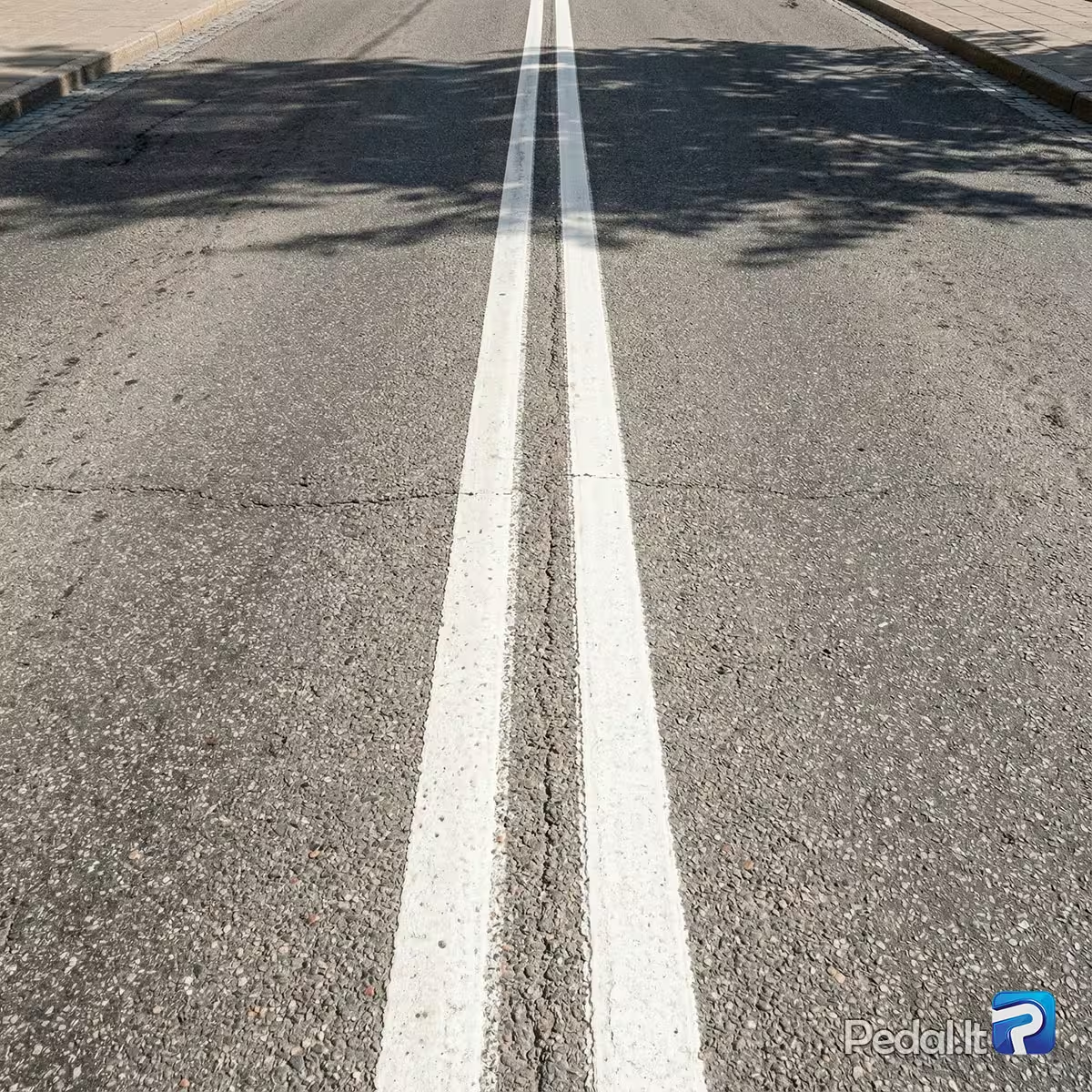
What does this road marking indicate?
On roads with four or more lanes, a double solid line separates opposing traffic flows. It prohibits driving in lanes that carry traffic in the opposite direction on the marked section; vehicles must not cross this line.
1. Crossing this line is prohibited.
2. Crossing the line is only permitted when making a U-turn.
3. Crossing this line is allowed.
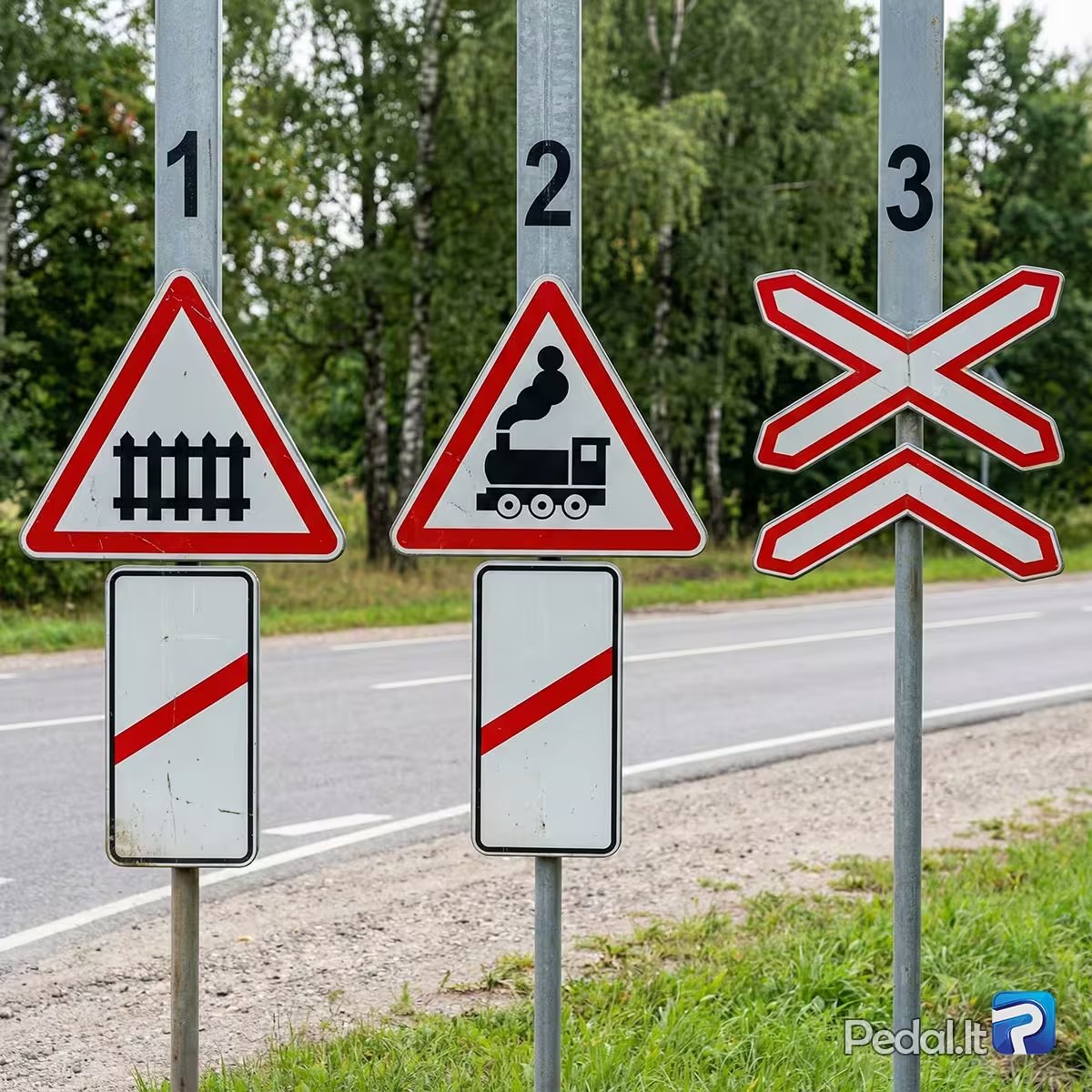
Which road sign indicates that you are approaching a level crossing equipped with a barrier?
Road sign 101 — “Level Crossing with Barrier”: indicates a level crossing protected by a barrier. Road sign 102 — “Level Crossing without Barrier”: indicates a level crossing that has no barrier. Road sign 142 — “Level Crossing Ahead”: warns of a level crossing ahead outside built-up areas; this sign is placed as close as possible to the crossing on the right-hand side of the road. Road sign 139 — “Multi-Track Railway”: indicates a level crossing without a barrier across a railway with two or more tracks.
1. 1.
2. 2.
3. 3.
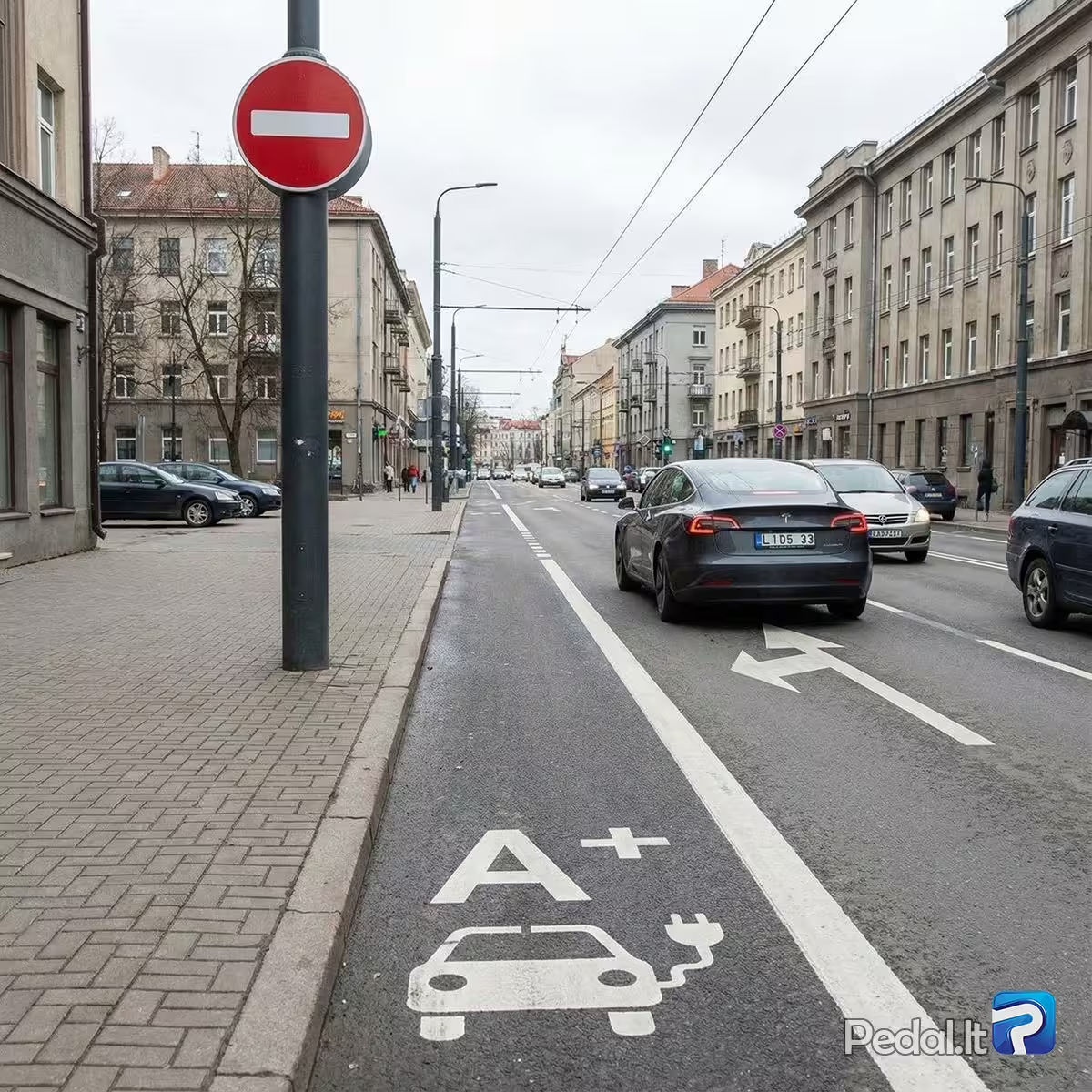
When driving in a lane marked 'A+' and bearing an electric vehicle symbol, and the lane's road sign indicates 'No Entry', what should the driver of an electric vehicle do if they intend to go straight ahead?
In this situation, the 'No Entry' sign applies to the lane and is not limited solely to public-service vehicles. Therefore, if the electric vehicle driver intends to continue straight ahead, they must change lanes and move into a lane that permits driving straight. Legal basis: RTR 181 — Non-public-service vehicles must not drive in lanes marked 'Lane Reserved for Public Service Vehicles' and the letter 'A'. 1811 — Non-public-service vehicles must not drive in lanes marked 'A+' except for the following: 1811.1 bicycles, electric micromobility devices, mopeds, and light quadricycles; 1811.2 vehicles marked with the distinguishing sign 'A person with a disability' or displaying a parking card that transport a person with a disability to/from an educational institution or a day-care centre for people with disabilities if the route is agreed with the road owner according to the established procedure; 1811.3 taxis if the lane reads 'TAXI'; 1811.4 cars carrying four or more road users if the lane is marked with the symbol '4+'; 1811.5 electric vehicles if the lane is marked with an electric vehicle symbol; 1811.6 motorcycles if the lane is marked with a motorcycle symbol. RTR Annex 1. 301 — Road sign 'No Entry': Entry is prohibited for all vehicles except public-service vehicles.
1. Continue straight ahead without changing lanes.
2. Change lanes and move into the lane from which it is allowed to drive straight ahead.
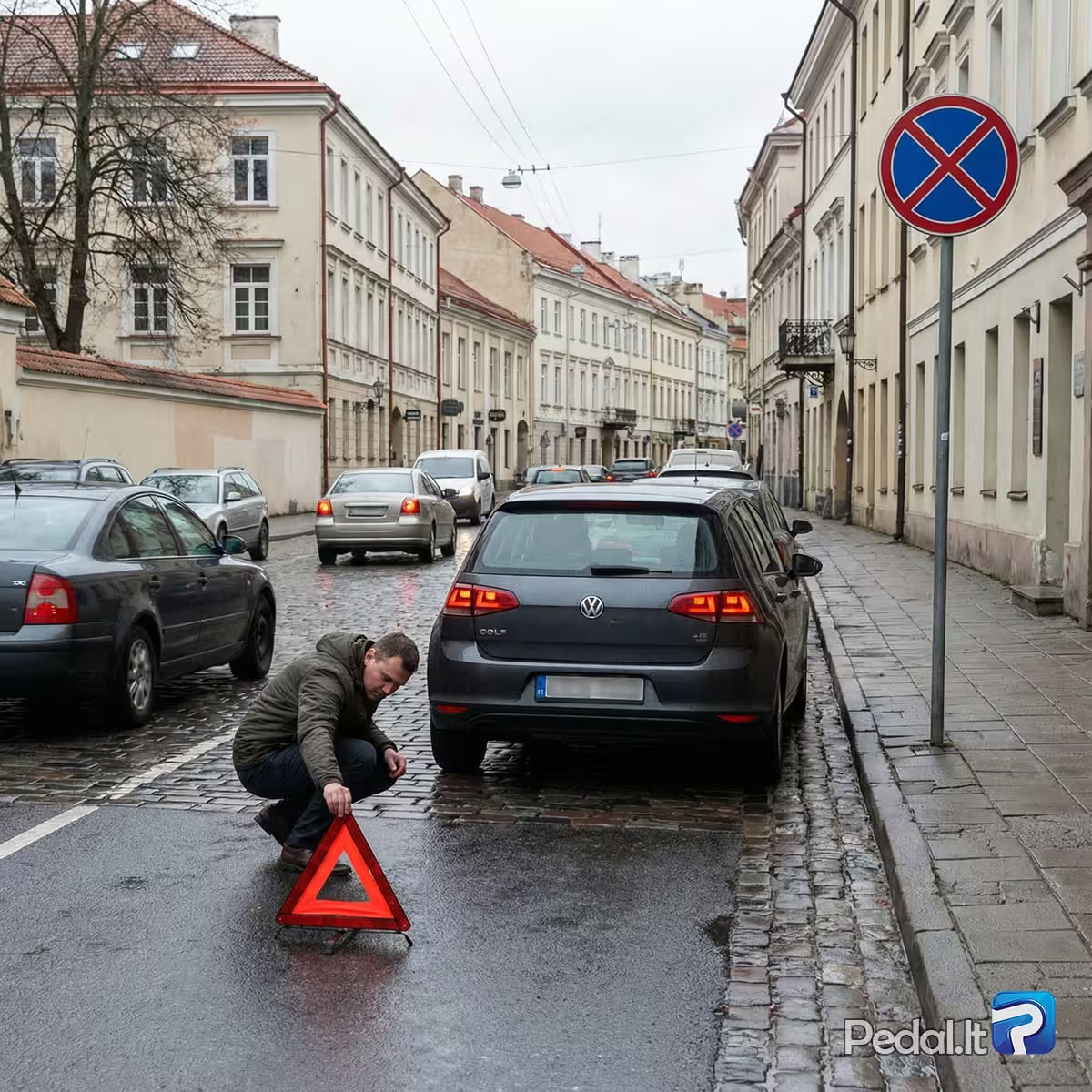
What must you do if you are forced to stop inside a settlement where stopping (parking) is prohibited and the hazard warning lights are not working?
RTR 92. If the emergency warning light system is not fitted or is defective and an emergency stop is required where stopping or parking is prohibited, in the event of an accident, or where the stopped vehicle would be visible to other road users from less than 100 metres, the driver of a motor vehicle (other than a motor moped or a motorcycle without a trailer), a tractor, or a self-propelled machine must immediately place an emergency stop sign on the carriageway side opposite to the direction of travel: in settlements, not closer than 25 m, and outside settlements, not closer than 50 m from the stopped vehicle. If at least one rear position lamp is defective and the hazard warning lights do not work while driving in darkness or poor visibility, an emergency stop sign must be attached to the rear of the vehicle in order to continue driving.
RTR 151. When a vehicle is forced to stop where standing or parking is forbidden, drivers must switch on hazard warning lights if available and/or place a warning triangle on the road as specified in Paragraph 92 of the Rules, and remove the vehicle from the road as soon as possible. If drivers intend to stop on unlit road sections at night or in poor visibility and hazard warning lights are unavailable or inoperable, the vehicle must be parked off the carriageway. If this is impossible, the place must be marked as specified in Paragraph 92 of the Rules. JB
1. Place a warning triangle at least 25 m from the stopped vehicle.
2. Attach a red flag to the vehicle.
3. Switch on the dipped headlights.
4. Stop another vehicle and ask for assistance.
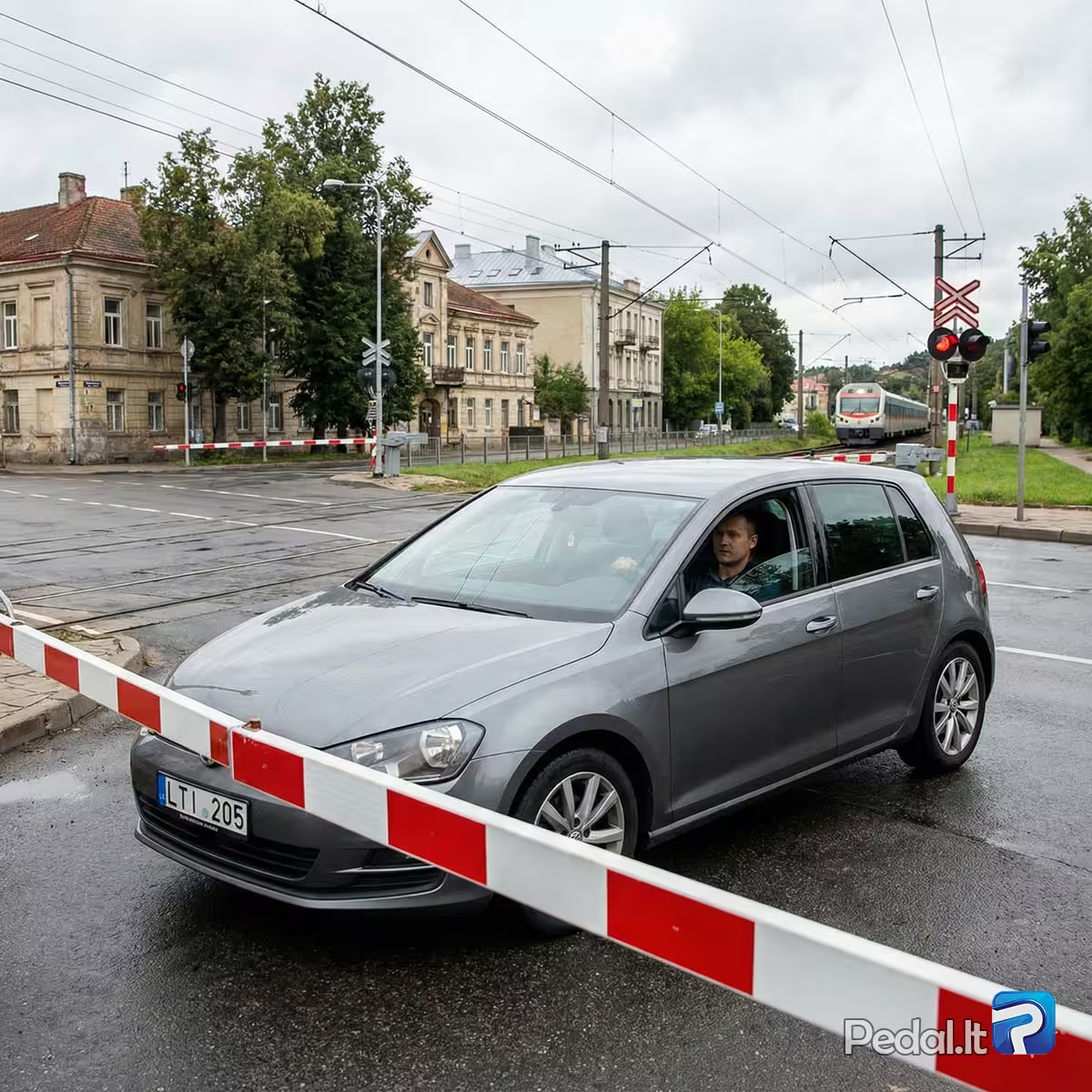
At a railway crossing, the vehicle driver must not:
Regulation RTR 173. Drivers must not: 173.3. enter a level crossing after the barrier has been lowered or is in the process of being lowered; deliberately lift the barrier; or drive around the barriers.
1. Deliberately lifting the barrier.
2. Entering the crossing after the barrier has been lowered or is in the process of being lowered.
3. Driving around the barrier.
.avif)
Which driver will proceed through the intersection first?
RTR 154. At a controlled intersection, drivers on a side road must yield to vehicles on the priority road.
1. The driver of the blue car.
2. The driver of the red car.
.avif)
In what order will the vehicles pass through the intersection?
If a 'STOP' road sign is present, drivers must stop before the sign and yield to vehicles traveling on the road they are about to cross. RTR 154. At a controlled intersection, drivers entering from a side road must yield to vehicles on the priority road. RTR Annex 1. 204. 'STOP'. Drivers must not proceed without stopping before the stop line or, if there is no stop line, before the sign. A driver must give way to vehicles on the road being crossed. If additional plate No. 843 'Direction of Priority Road' is mounted below the sign, the driver must yield to vehicles on the priority road.
1. Yellow and red vehicles proceed together, followed by the blue vehicle.
2. Blue and red vehicles proceed together, followed by the yellow vehicle.
3. Blue vehicle first, then the red vehicle, and finally the yellow vehicle.
4. Yellow vehicle first, then the blue vehicle, and finally the red vehicle.
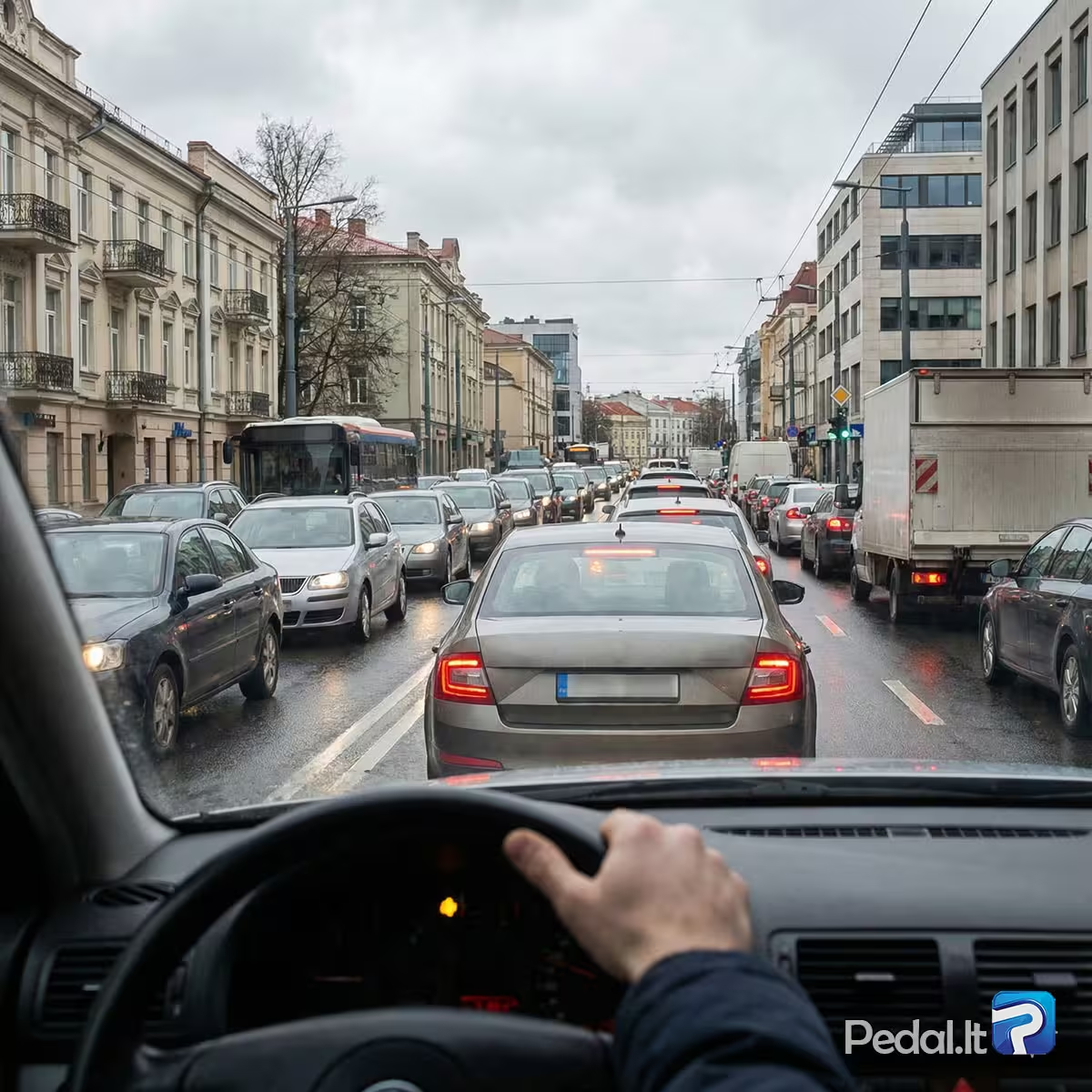
Is a driver permitted to change lanes in heavy traffic when all lanes are occupied?
RTR 11D. In heavy traffic, when all lanes are occupied by vehicles, changing lanes is permitted only when necessary to make a turn, make a U‑turn, or stop. JB
1. Changing lanes to stop is permitted when necessary.
2. Changing lanes to make a U‑turn is permitted when necessary.
3. Changing lanes to make a turn is permitted when necessary.
4. Changing lanes is prohibited.
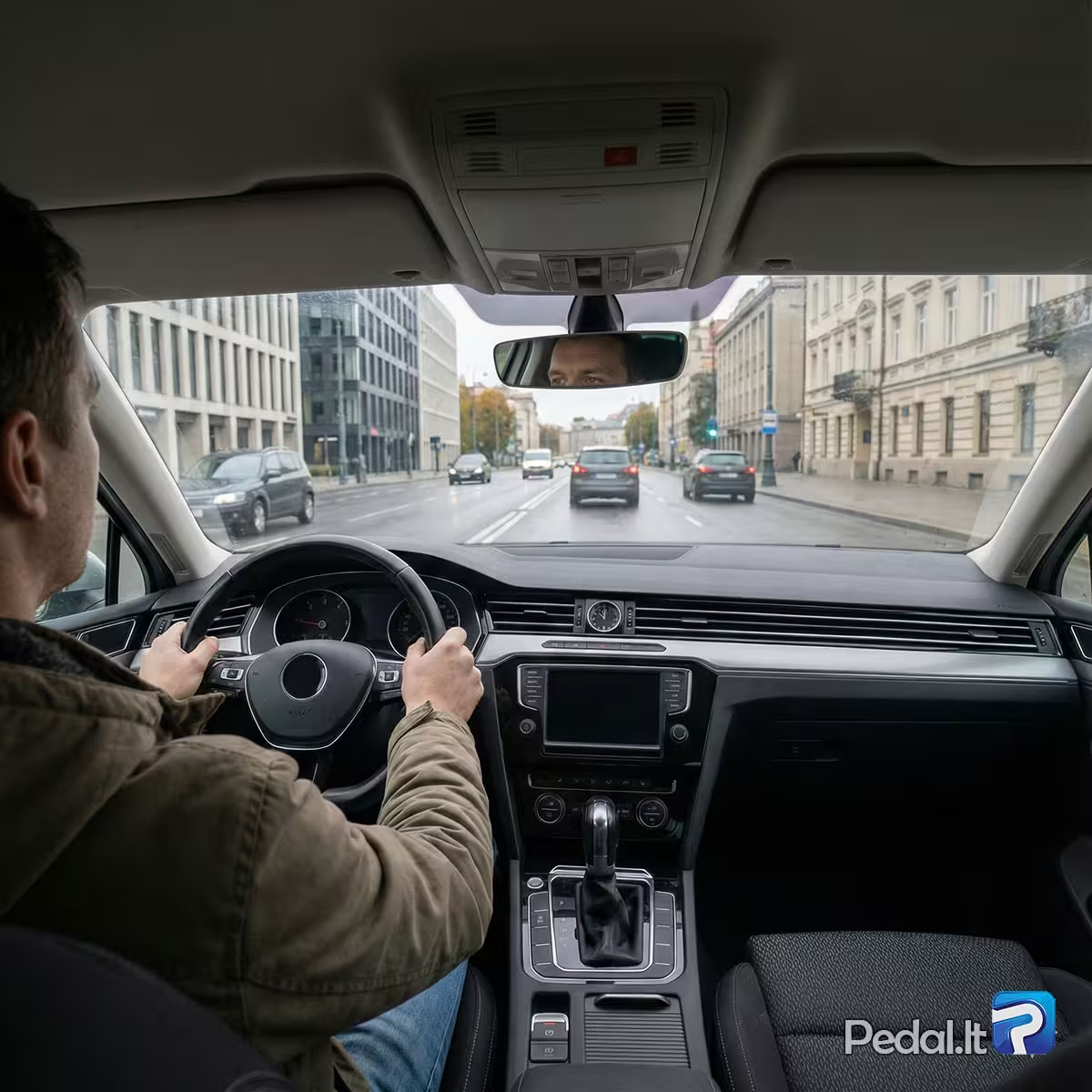
When should a driver move back into the right-hand lane after overtaking another vehicle?
RTR 136. Drivers should avoid unnecessary overtaking maneuvers. Before overtaking, drivers must take extra precautions and ensure that: 136.1. no driver behind them has already started to overtake; 136.2. the driver of the vehicle to be overtaken is not indicating a left turn; 136.3. the section of lane required for overtaking is clear, and the overtaking vehicle will not obstruct oncoming traffic or pedestrians on the roadway; 136.4. a safe distance from the vehicle being overtaken can be maintained during the maneuver; 136.5. after completing the overtaking maneuver, they will be able to return to the same lane safely without obstructing the overtaken vehicle.
1. Immediately after overtaking.
2. When the driver is more than 100 metres ahead of the overtaken vehicle.
3. When the overtaking driver can see the overtaken vehicle in the rear‑view mirror.
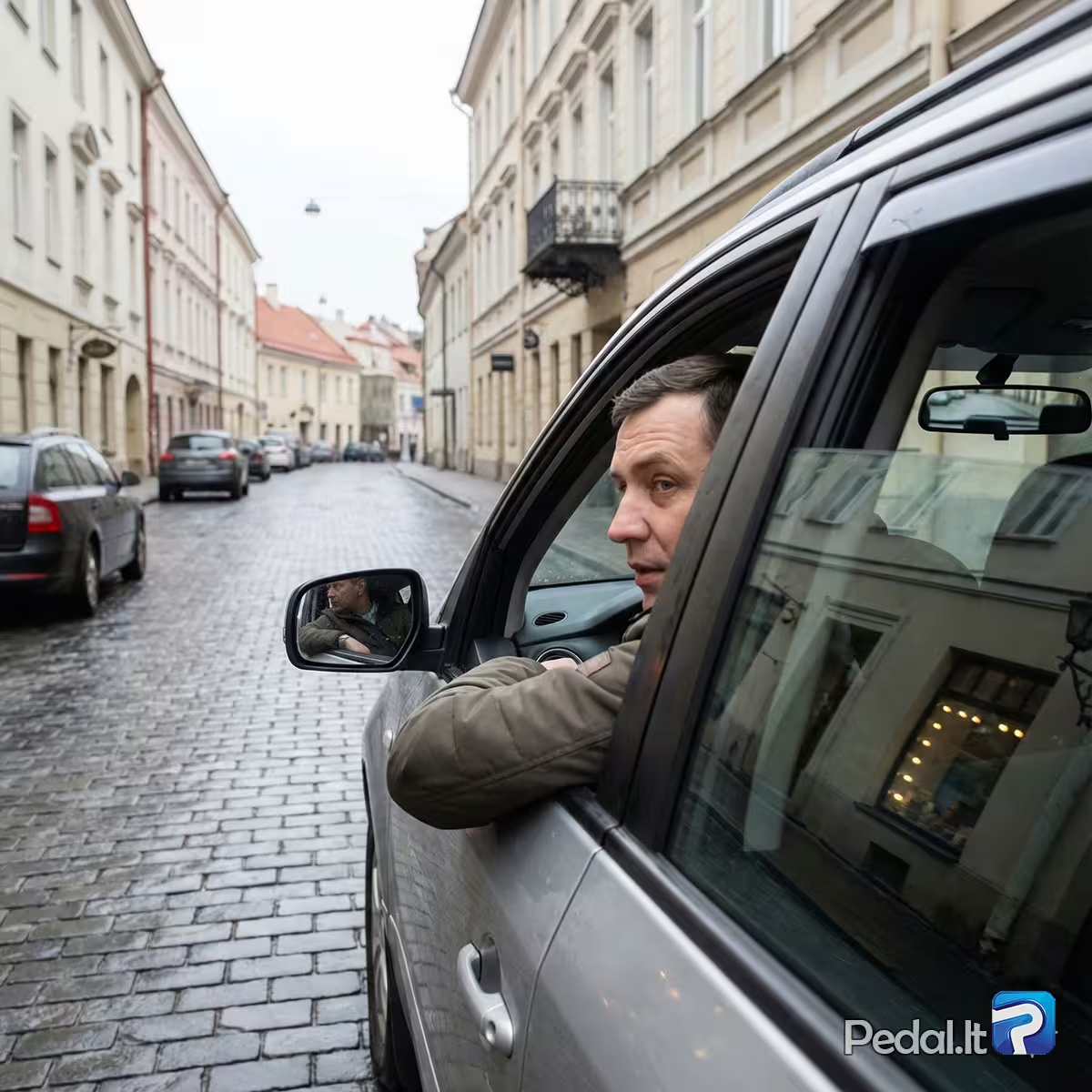
What must a driver do when reversing?
Note: If the steering wheel is turned sharply while reversing, the front of the vehicle can swing to the side and strike obstacles or other road users. When reversing, a driver must give way to other road users.
1. The driver must give way to other road users.
2. The driver must use the horn.
3. The driver must make sure that there are no obstructions behind the vehicle.
4. Do not obstruct other road users ahead.
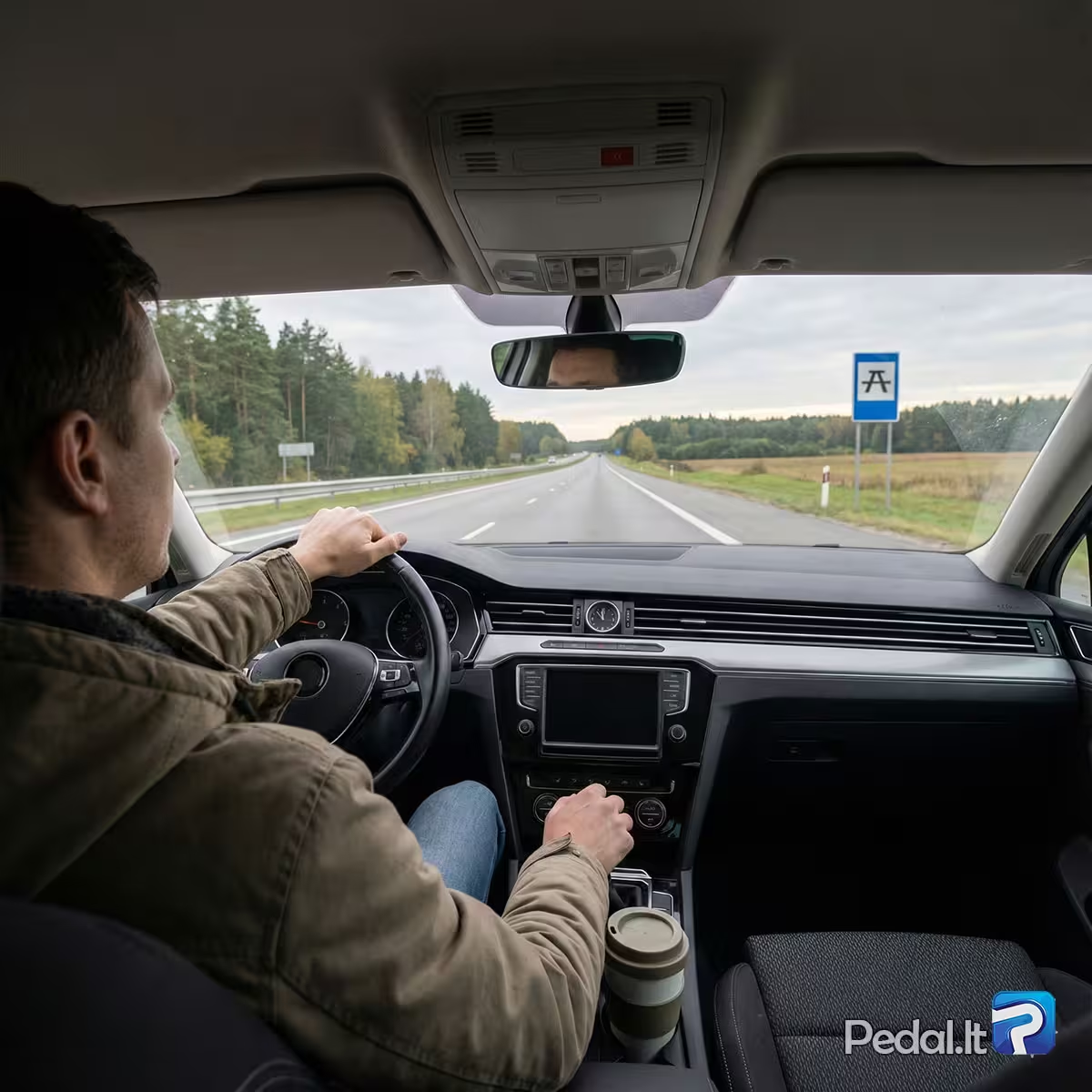
How should you behave during a long journey?
Long journeys can cause the driver to become distracted and fatigued for extended periods, which reduces reaction time and concentration and increases the risk of mistakes. It is recommended to take breaks every 1.5 to 2 hours or after driving approximately 200 kilometres. Sitting for long periods can lead to muscle tension and poor circulation, so getting out of the vehicle helps relax the body and improve well‑being. Exiting the car or opening a window to breathe fresh air can refresh the mind, restore energy and improve concentration.
1. Listen to loud music.
2. Maintain continuous conversation with your passengers to stay alert.
3. Leave the road or motorway and stop to rest; then exit the vehicle or open a window to breathe fresh air.
4. Routinely drink coffee to stay awake.
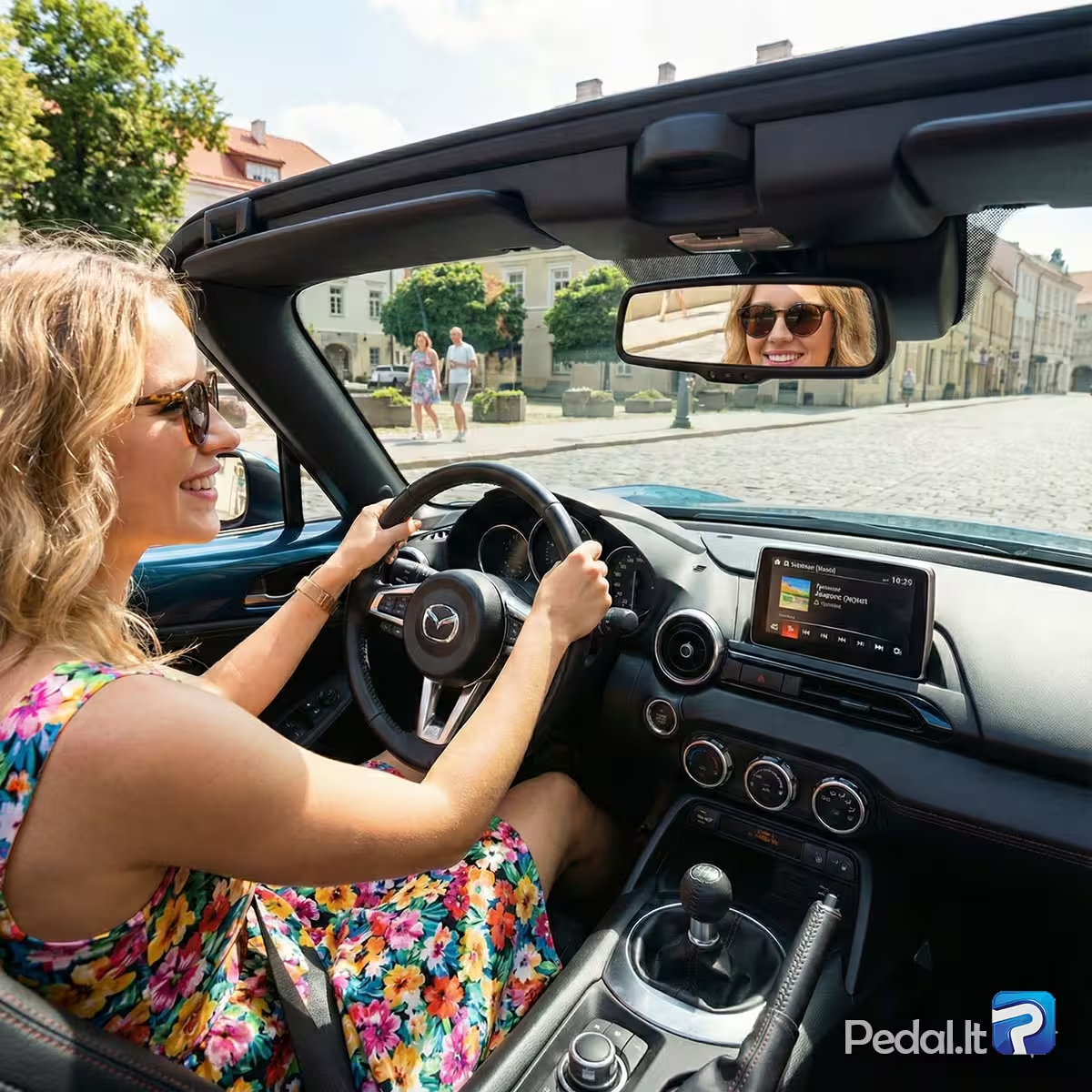
When driving safely, you must:
Always make safety your priority. That means thinking ahead, planning your actions, and anticipating the behavior of other road users.
1. Anticipate the actions of other road users.
2. Driving slightly above the speed limit.
3. Stay closer to the edge of the road.
4. Driving well below the maximum permitted speed.
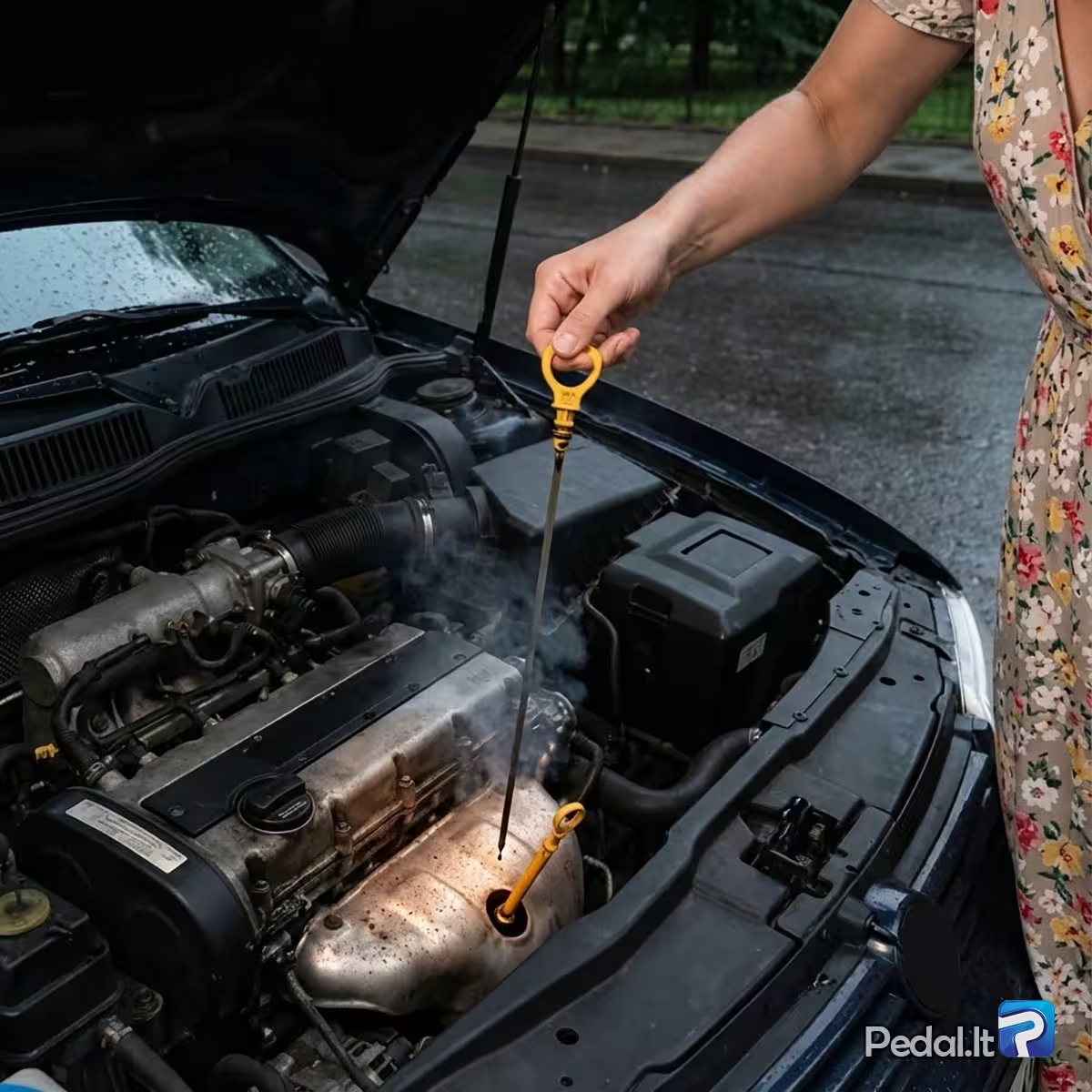
How dangerous is a low engine oil level?
When engine oil is low, internal components receive less lubrication, causing increased wear and overheating; this accelerates deterioration and can lead to engine failure.
1. Fuel consumption will be reduced.
2. The engine may suffer serious damage or fail.
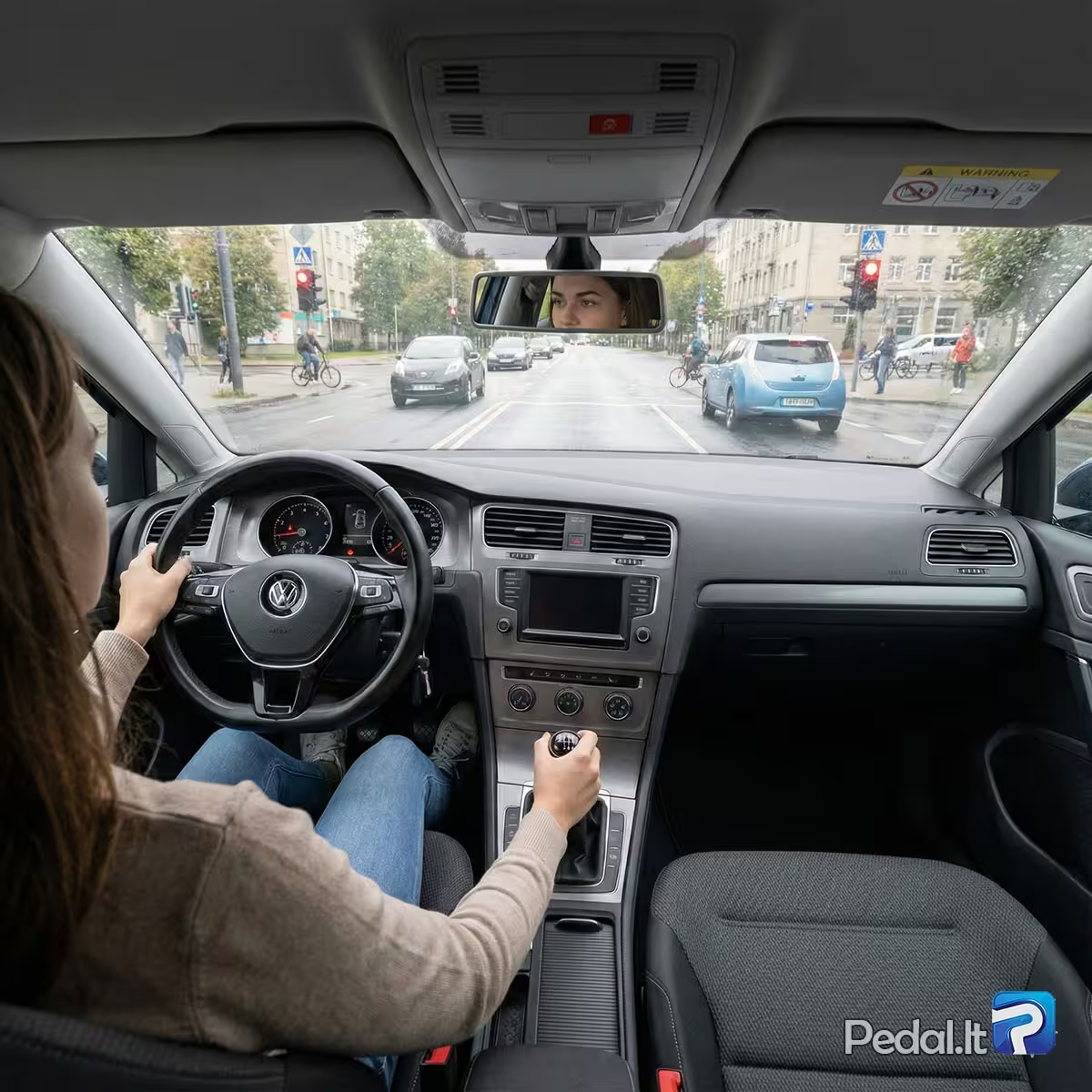
How can you save fuel and reduce environmental pollution when driving in a city?
Answers 1–3 are methods to lower fuel consumption and reduce pollution. Answer 4 is incorrect — driving closely behind the vehicle ahead to reduce air resistance is unsafe.
1. By easing off the accelerator and reducing speed gradually (instead of braking hard) when approaching traffic lights that indicate you must stop.
2. By planning your route to avoid areas and times with heavy congestion.
3. By using public transportation whenever possible.
4. By driving very close to the vehicle in front to reduce air resistance.
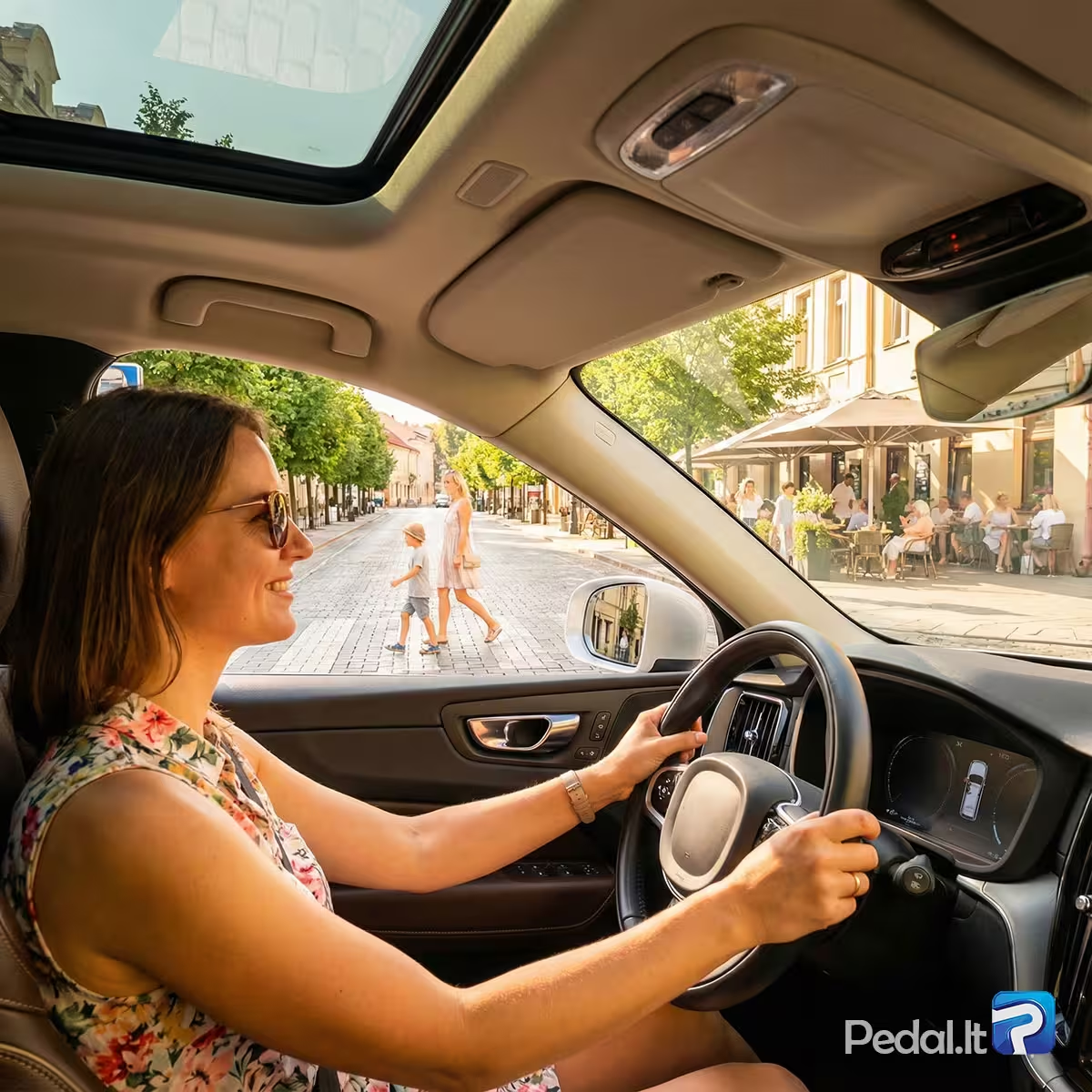
How can you reduce environmental pollution and conserve fuel?
While public transport also produces emissions, it carries many passengers at once; as a result, fuel (or electricity) consumption per person is much lower, noise levels are reduced, and traffic congestion is significantly decreased.
1. Use public transport more frequently.
2. Walk more frequently.
3. Cycle more frequently.
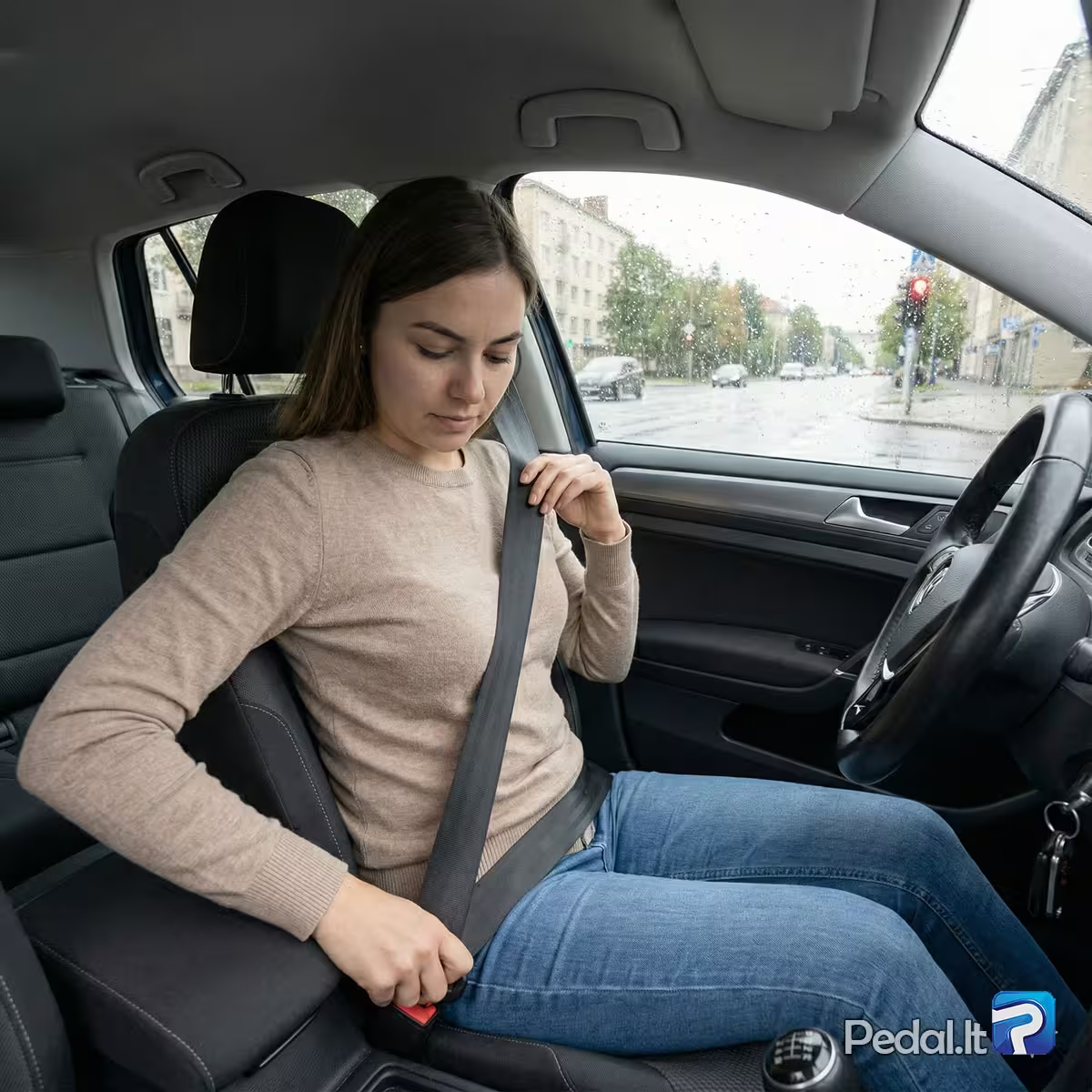
How should the seat belt be fastened correctly?
RTR p. 197. Seat belts must be worn over the shoulder and across the lap, or in the manner specified by the vehicle manufacturer. JB
1. Seat belts must be worn over the shoulder and across the lap, or as specified by the vehicle manufacturer.
2. It is not necessary to wear a seat belt.
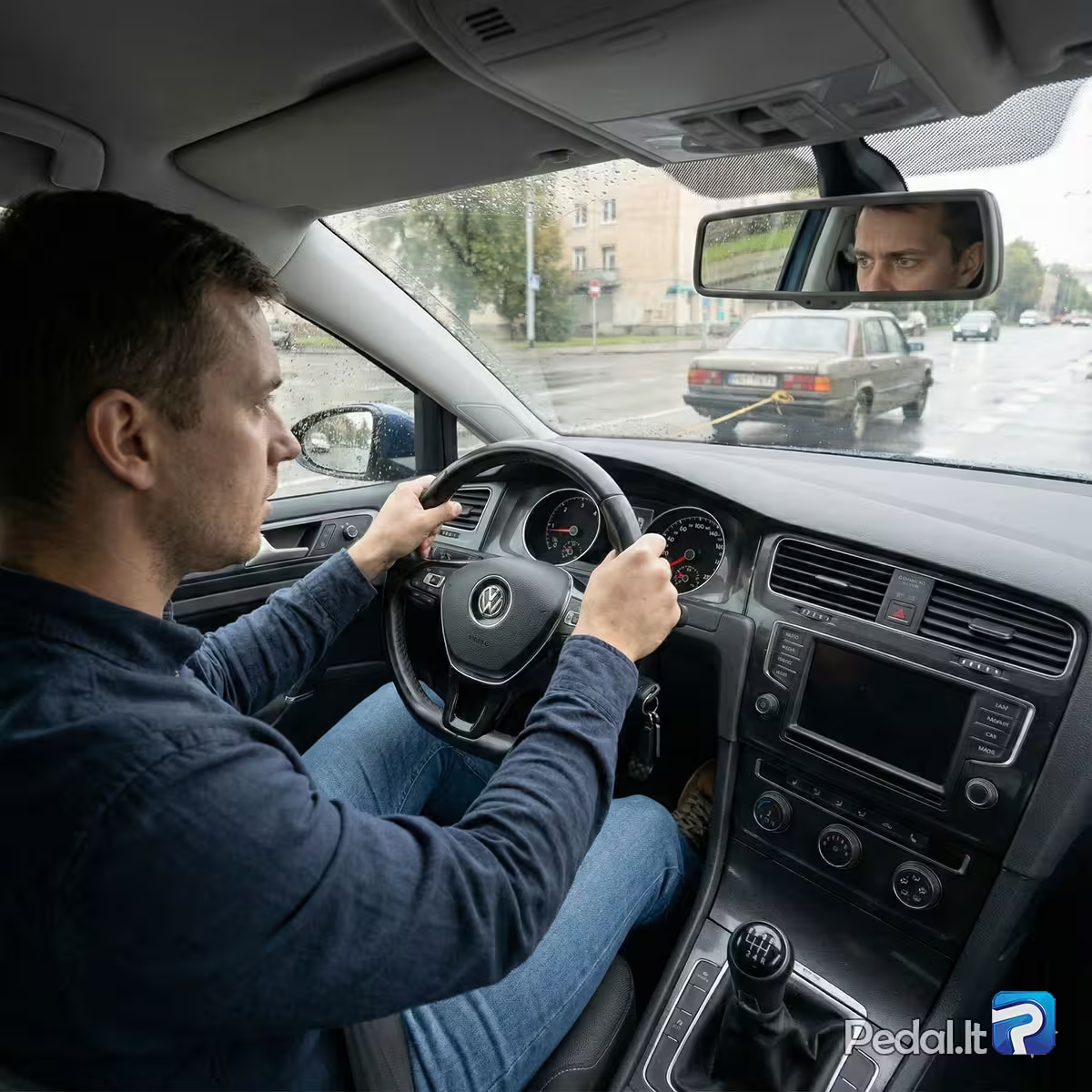
What should a driver be aware of when towing a vehicle whose engine—and therefore its brake servo—is not running?
Consider the effect on braking performance when towing a vehicle whose engine (and thus its brake servo) is not operating.
1. Continue driving as usual.
2. The towed vehicle's braking effectiveness is reduced.
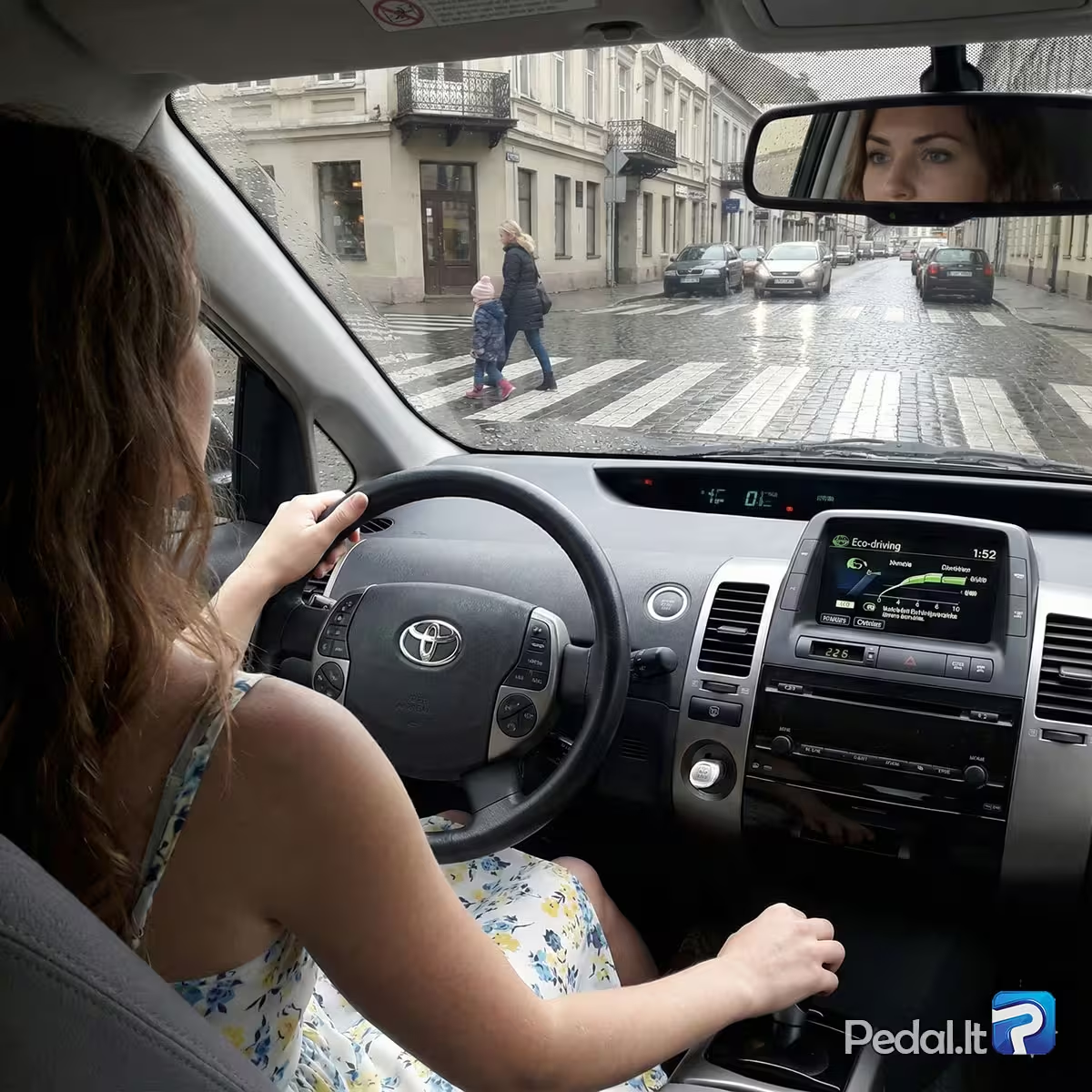
What should you do when approaching the pedestrian crossing?
Stationary vehicles positioned before a pedestrian crossing restrict visibility. Drivers must exercise extra caution and may continue only after confirming that no pedestrians entitled to right of way are at the crossing. (RTR 30.) When approaching an uncontrolled pedestrian crossing, a driver must reduce speed or stop before the crossing to give way to pedestrians who have already entered any lane, are walking in any lane, or were standing immediately at the carriageway edge waiting to step into a lane in the direction of the vehicle’s travel—or into any lane on a road with one lane in each direction. Drivers must be especially careful at night, in poor visibility, or whenever the crossing is not clearly visible from the driver’s position, and must ensure there are no pedestrians who should be given way.
1. You should reduce your speed.
2. If necessary to verify that no pedestrians are present, you will stop before the crossing.
3. You will pass the stationary vehicle at the permitted speed because you do not see any pedestrians on the crossing.
.avif)
A child is saying goodbye to a friend. What should you anticipate in this situation?
Children close to the road can behave unpredictably. Exercise extreme caution when driving near them — they may run into the carriageway without looking and may not respond to a horn.
1. The child may step into the carriageway without looking.
2. The child may be looking toward the road but still step into the carriageway.
3. The child may step into the carriageway even if you sound the horn to warn them.
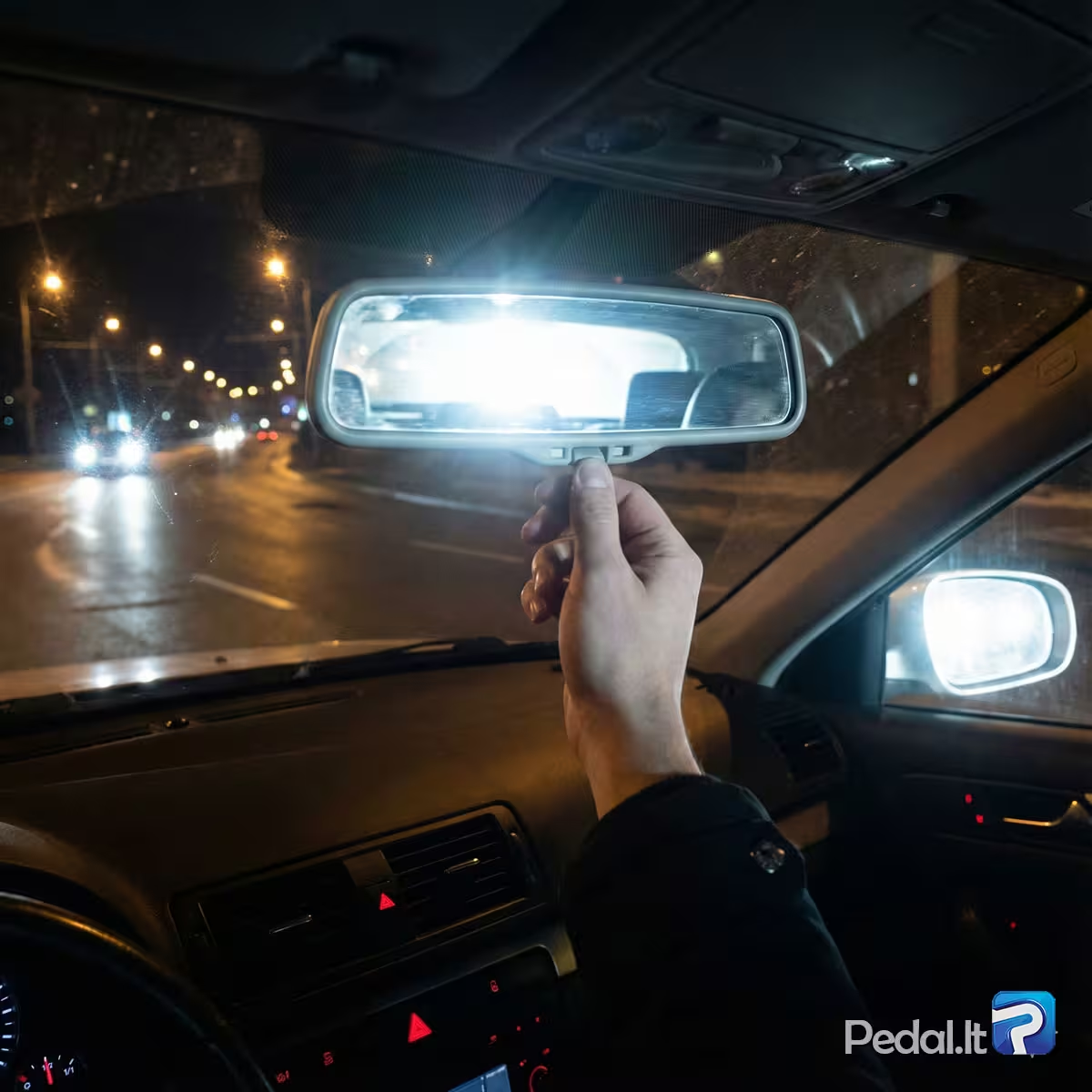
What should you do if a vehicle behind you is dazzling you with its lights?
If bright headlights are reflected in your rearview mirror, in addition to the measures listed in Paragraph 96 you can quickly activate the mirror's anti‑dazzle setting by flipping the switch at its base (if fitted). This engages the automatic dimming function and reduces glare. According to RTR 96, a dazzled driver must turn on the hazard warning lights, reduce speed without changing direction, and stop if necessary.
1. You will look away.
2. If possible, activate the rearview mirror's automatic dimming function.
3. You will turn on your hazard warning lights.
4. You will reduce speed and stop if necessary.
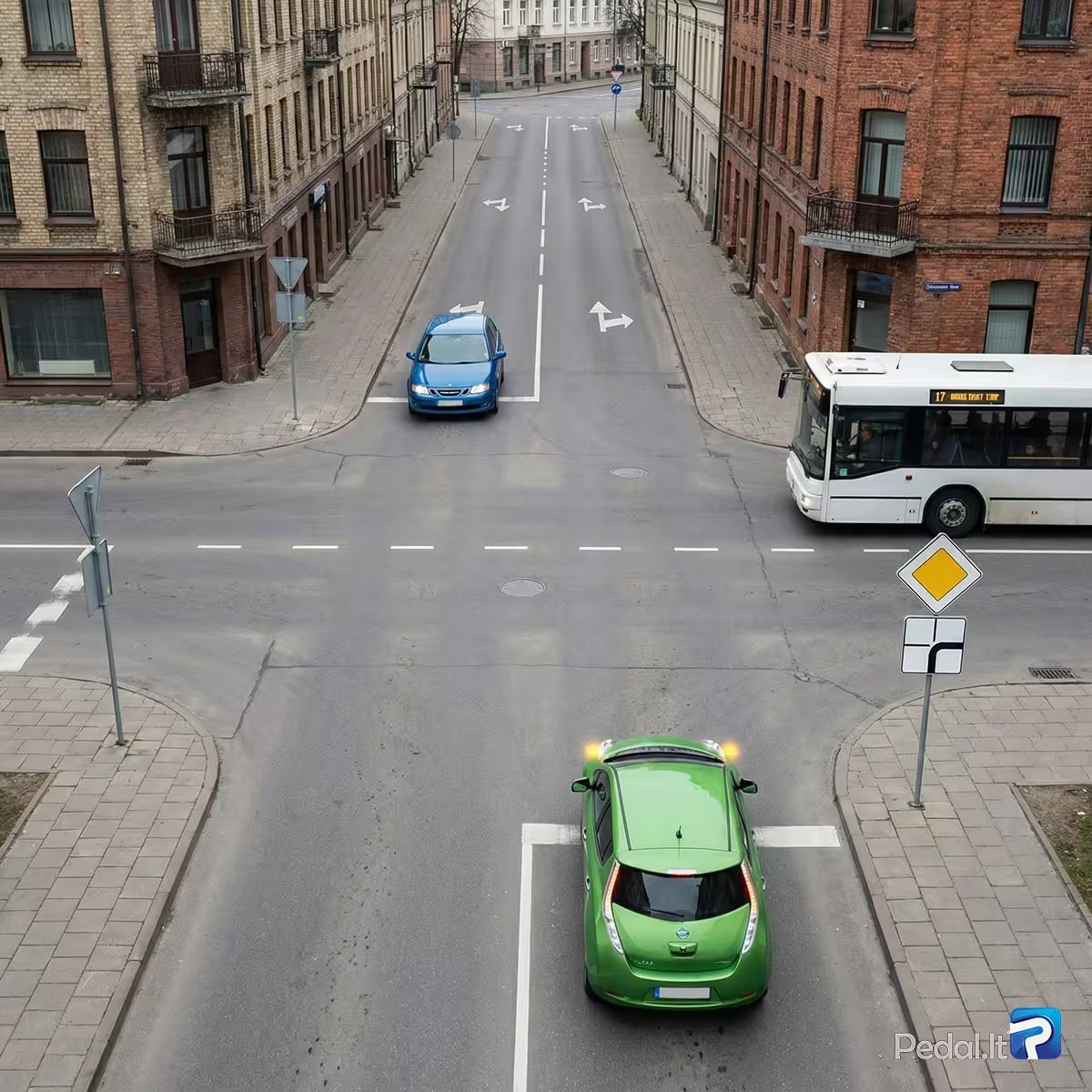
You are driving the green vehicle. When turning left, must you yield to the blue vehicle?
The green vehicle is on the main (priority) road, so it does not need to give way to the blue vehicle when turning left. Right-of-way rules vary depending on whether an intersection is controlled: at a controlled intersection, drivers entering from a side road must yield to traffic on the priority road. See rule 154.
1. Yes — you must yield.
2. No — you do not have to yield.
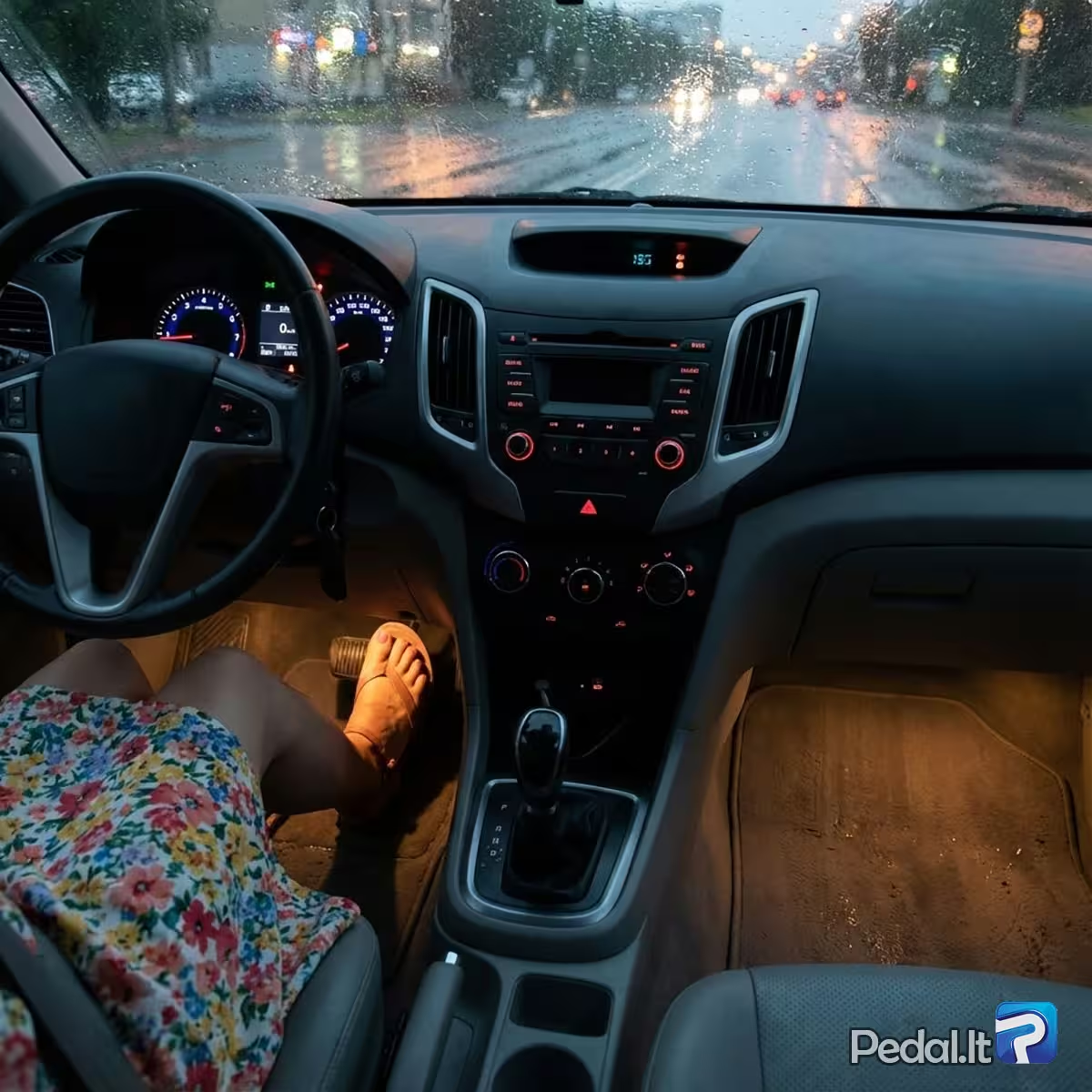
If water gets into the brake pads and reduces braking effectiveness, what will you do?
After driving through a deep puddle or a body of water, drive at low speed for a short while and gently apply the brakes several times to dry the brake discs or drums and the pads or shoes. Friction will heat the components, helping the water to evaporate and restoring braking performance.
1. You would repeatedly apply the brakes while the vehicle is stationary.
2. You would ignore it because they will dry on their own within a few minutes.
3. You would gently apply the brakes several times while driving slowly.
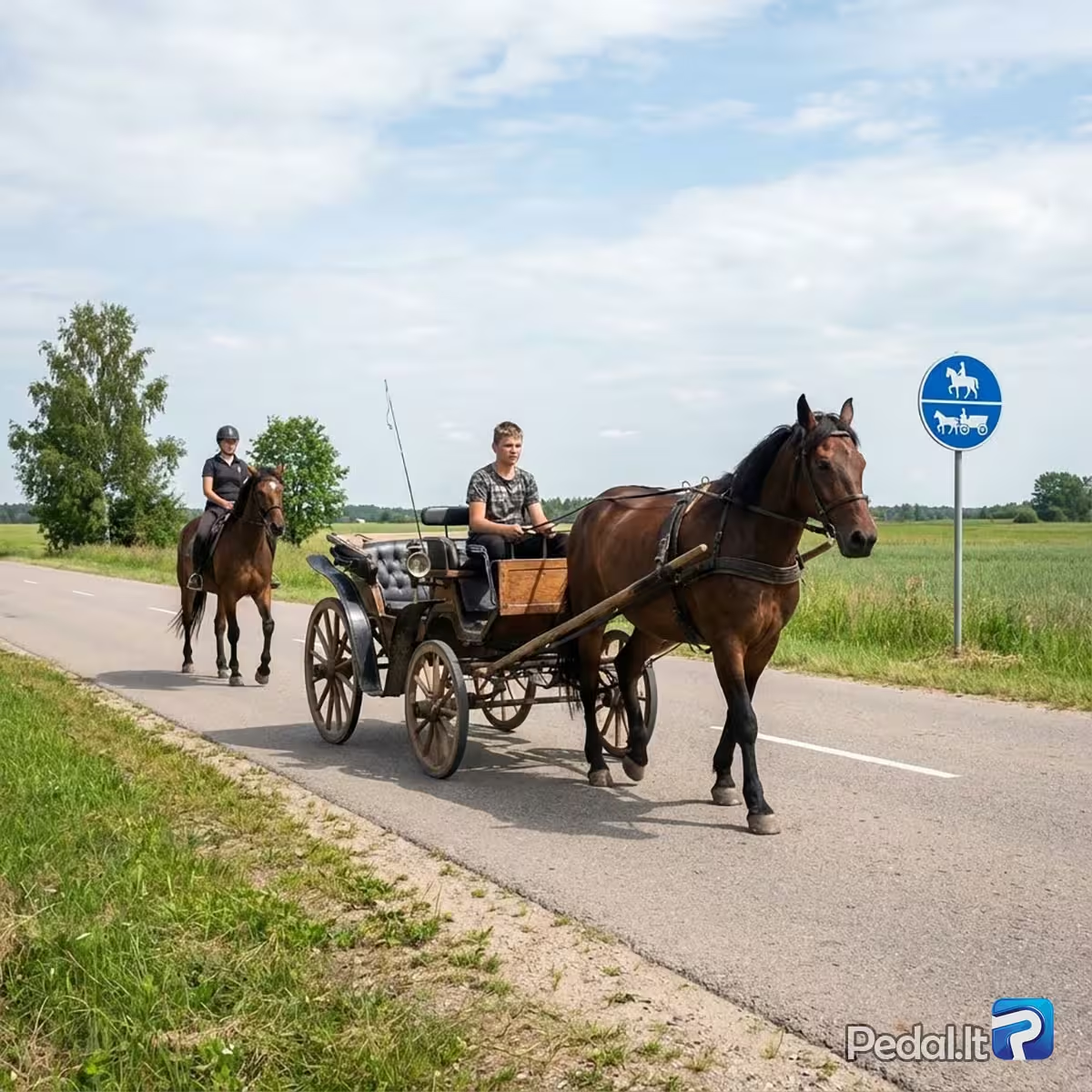
Driving an animal-drawn vehicle or riding an animal on roads is permitted from the age of:
Regulation RTR 67 — Only persons aged 14 or older may drive an animal-drawn vehicle, herd animals or birds, or ride an animal on the road.
1. 16 years old.
2. 15 years old.
3. 14 years old.
4. 12 years old.
5. 10 years old.
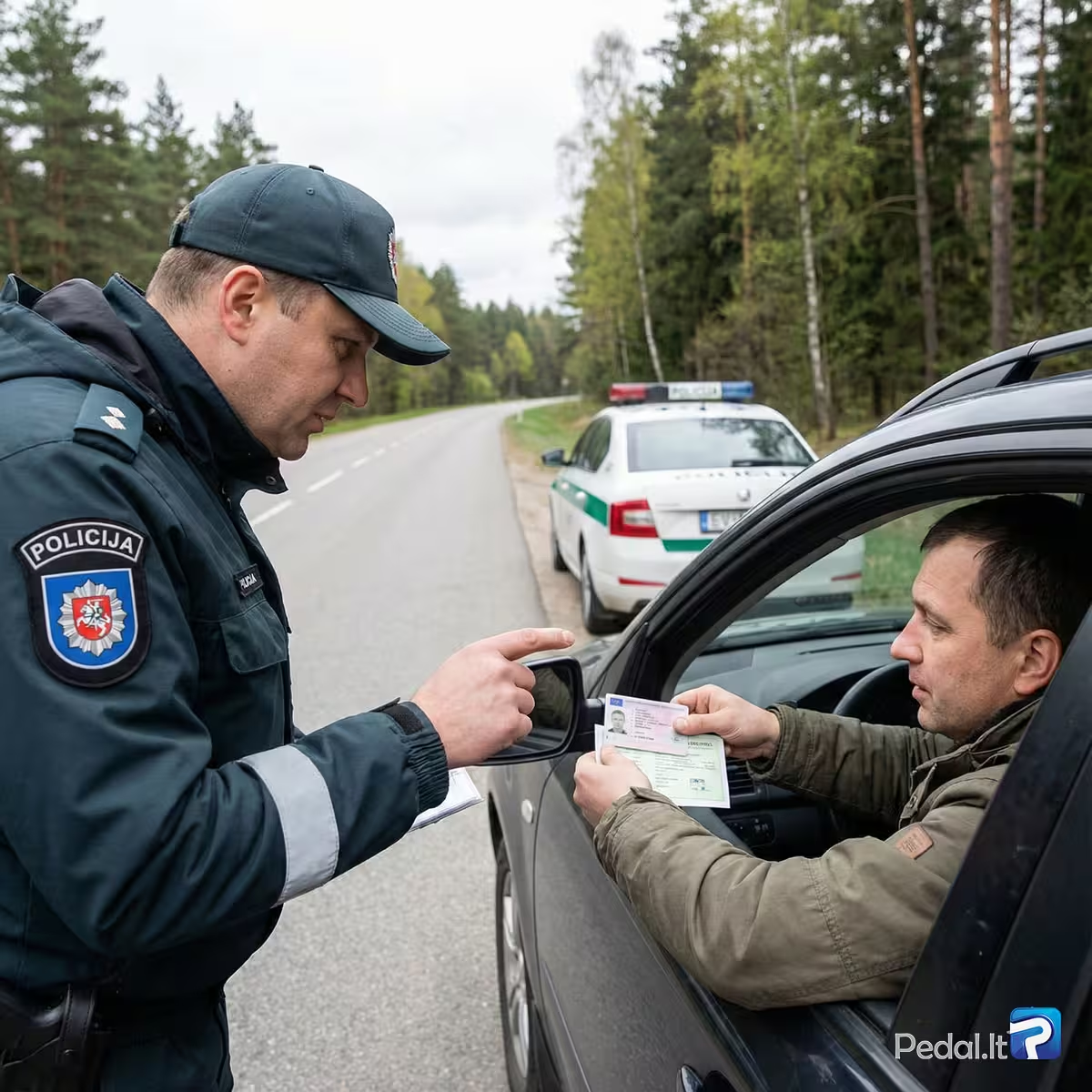
What checks must a driver allow when requested by a police officer?
RTR 17. At the request of a police officer, a driver must submit to tests for alcohol intoxication or for intoxication caused by narcotic drugs, psychotropic substances, or other psychoactive substances, in the manner prescribed by the Government of the Republic of Lithuania. RTR 14. It is prohibited to drive a vehicle if you are not authorized to do so, if you are under the influence of alcohol, narcotic drugs, psychotropic substances or other psychoactive substances. A person who is fatigued or ill must not drive if driving may endanger road safety. A vehicle must not be entrusted to a person who is under the influence of such factors or who is not authorized to drive that type of vehicle. When operating a vehicle, the driver must comply with the conditions specified on the driving licence. JB
1. Alcohol intoxication.
2. Irritability.
3. Fatigue.
4. Intoxication by narcotic drugs.
1 of 30 Task
Time left: 00:00:00
1
2
3
4
5
6
7
8
9
10
11
12
13
14
15
16
17
18
19
20
21
22
23
24
25
26
27
28
29
30